
Top Ten Classic Dishes of Hunan
Mao-style Braised Pork
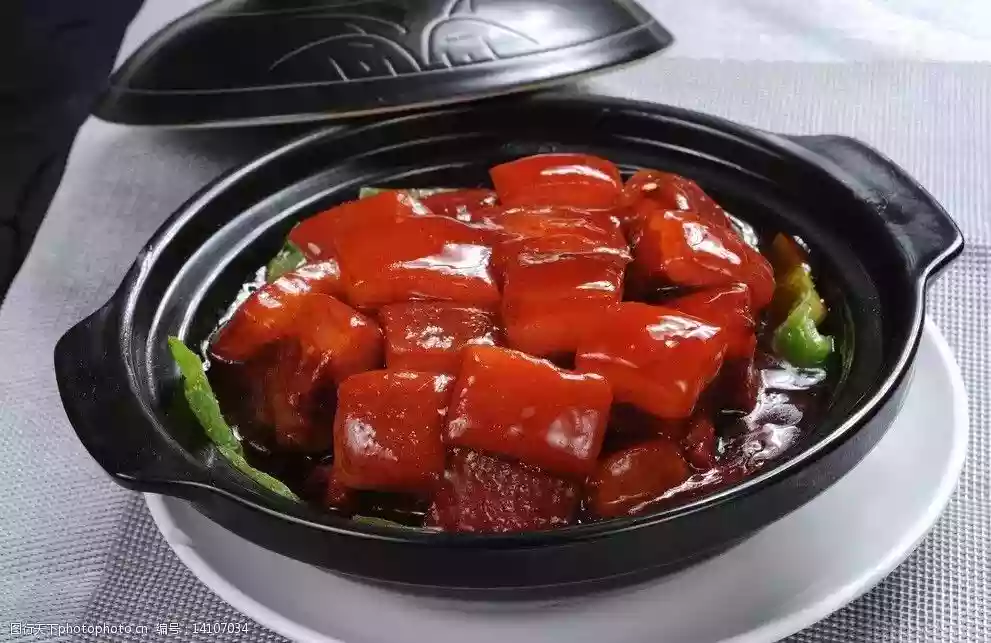
A cherished dish of Chairman Mao himself, this version of braised pork stands out for its unique preparation: it eschews soy sauce in favor of caramelized sugar and salt. This culinary twist, along with the addition of just the right amount of dried chili peppers, crafts a dish that's rich in flavor yet refreshingly ungreasy. The interplay of sweet and salty notes, with a hint of spice, is further elevated by the introduction of red yeast rice, lending the pork a stunning red hue that's as appetizing to the eyes as it is to the palate.
Ingredients: Pork belly with skin, ginger, scallions, star anise, cinnamon stick, bay leaves, Sichuan peppercorns, salt, cooking wine, caramelized sugar, red yeast rice, MSG (monosodium glutamate), fresh broth, tapioca starch, dried chili peppers.
- Begin by infusing your spices in boiling water to unlock their aromatic potential; proceed to cut the pork belly into hearty cubes.
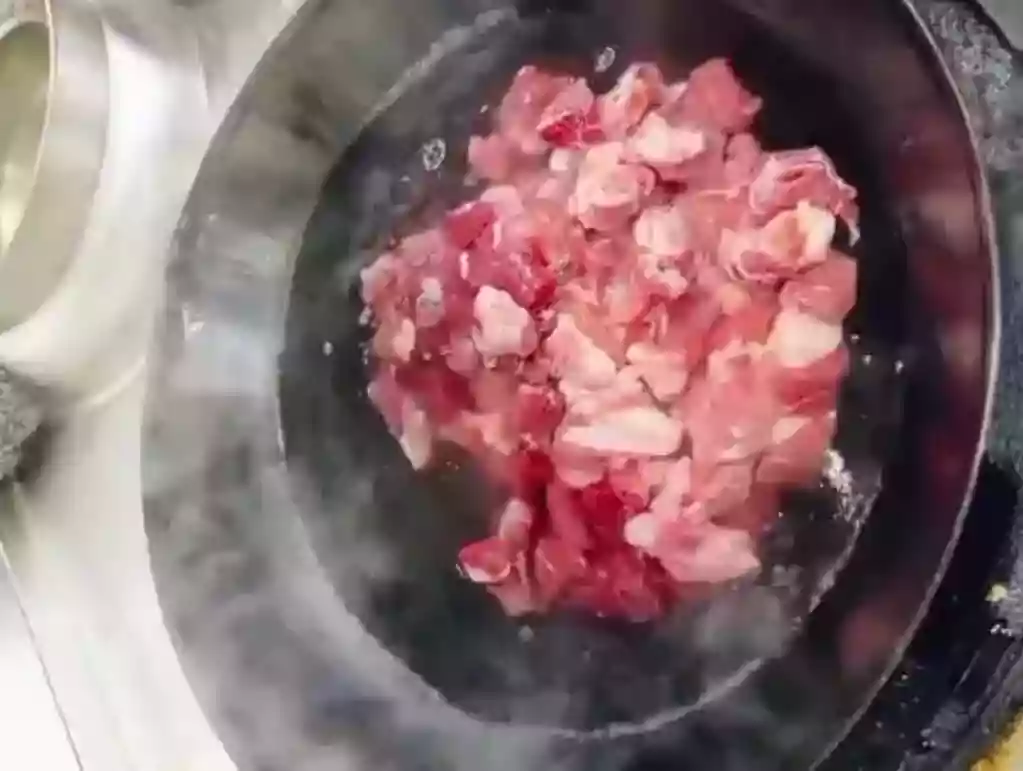
- Blanch the cubed meat in a pot of water, seasoned with ginger, scallions, salt, cooking wine, and pepper. Once done, remove and let drain.
- Heat oil in a pan until it hits a moderate temperature; fry the meat cubes to a golden perfection, then set them aside.
- Keeping just a bit of oil in the pan, introduce the ginger, scallions, and spices, along with the dried chili peppers. Stir until fragrant. Add in the fried meat cubes, and stir-fry to coat them in flavor. Pour in water, the caramelized sugar, red yeast rice, and cooking wine, cooking until the mixture achieves a silvery-red sheen. Transfer everything to a pressure cooker and cook under pressure for 20 minutes.
- Once done, remove any impurities from the broth and combine it with the meat in a pot. Simmer until the liquid has mostly evaporated. Season with MSG and salt to taste, and it's ready to serve.
Chopped Chili Fish Head
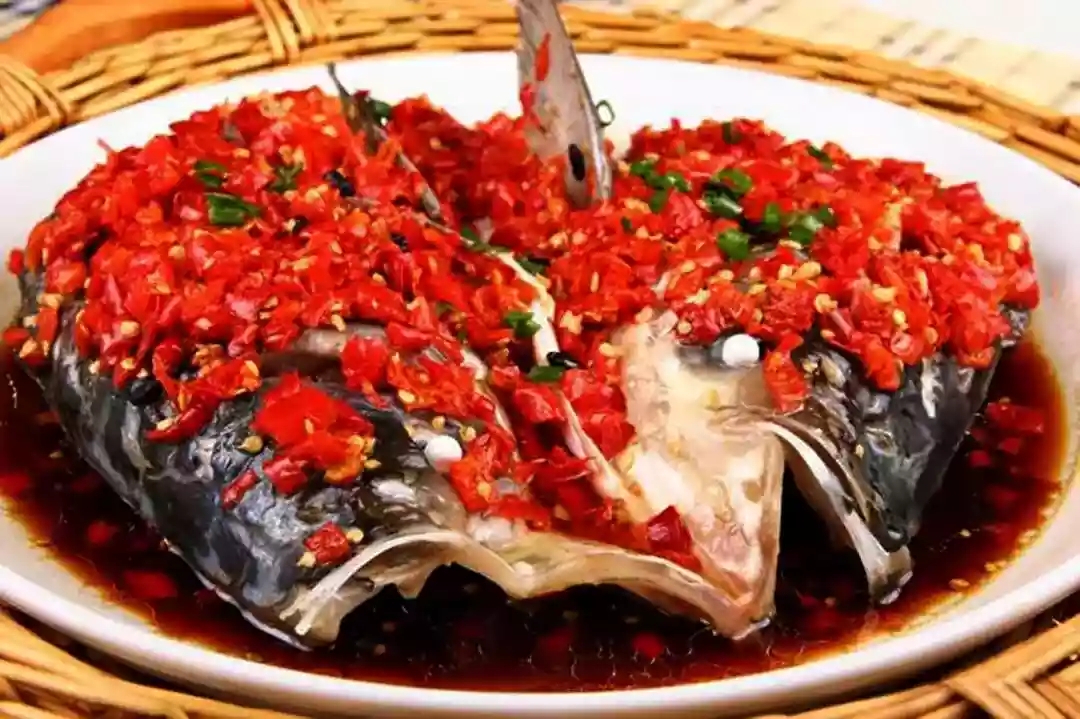
At the heart of this dish is the art of crafting the perfect chopped chili paste, a signature of Hunan cuisine. Paired with the richness of fresh fish heads, it creates a steamed delicacy that knows no age boundaries. Often the highlight of any banquet, this dish is a testament to the simplicity and depth of flavors inherent in Hunanese cooking.
Ingredients: Fish head (preferably from bighead carp or other fatty fish), scallions, white part of scallion (green onion), slices of ginger, chopped chili paste (or fresh chopped chilies), salt, cooking wine (Shaoxing wine), white liquor (Chinese spirits), sesame oil.
- Meticulously clean and finely chop scallions and garlic. Prepare the fish head by cleaning and halving it, ensuring the skin remains intact, then pat dry with paper towels.
- Sprinkle the fish head evenly with the scallion and ginger mixture, drizzle with cooking wine, and season with salt and oil both inside and out. Let marinate for about 10 minutes. Meanwhile, enhance your chopped chili paste with a splash of white liquor.
- Place the marinated fish head, skin side up, on a steaming plate and cover evenly with the chili paste mixture. In a pot, bring water to a boil, then lower the fish head into the steam, covering it tightly. Steam on high for about 9 minutes, making sure not to overdo it.
- Carefully remove the steamed fish head, drain any excess liquid, and garnish with additional chopped scallions.
- In a separate pan, heat sesame oil until hot, then pour over the fish head to infuse flavor.
Spicy Chicken Bites

Simplicity meets flavor in this straightforward dish: marinated chicken pieces are fried at high temperatures, multiple times, to achieve a crispy exterior and tender interior. The end result is a dish bursting with spicy and aromatic goodness, making these bites a go-to snack or appetizer, particularly popular among the young crowd.
Ingredients: Young chicken or chicken thighs cut into bite-sized pieces; garlic chives; fresh chilies; dried chilies; Sichuan peppercorns; salt; MSG (monosodium glutamate); soy sauce; cooking wine; ginger & scallion mixture; cornstarch (or potato starch); sesame oil; vegetable oil.
- Dice the young chicken into bite-size pieces and marinate with salt, cooking wine, ginger-scallion juice, soy sauce, and cornstarch, ensuring an even coat. Prepare fresh green and red chili slices, cut garlic chives into small sections, and lightly crush the Sichuan peppercorns.
- In a wok, heat a generous amount of vegetable oil till it's sufficiently hot. Add the chicken bites, frying briefly for about 10 seconds before removing them. Allow the oil temperature to climb back up before re-frying the chicken until it changes color. This process may be repeated three times to achieve the desired crispness, but twice can suffice depending on preference.
- Leave a bit of oil in the wok, adding dried chilies, crushed Sichuan peppercorns, and a touch of salt. Stir until fragrant, then reintroduce the fried chicken bites. Season with salt, soy sauce, MSG, and garlic chive segments, stirring just until the flavors meld and the chives are tender. Thicken the sauce with a cornstarch slurry, finish with a drizzle of sesame oil, and serve garnished with additional crushed peppercorns if desired.
Thunder Duck
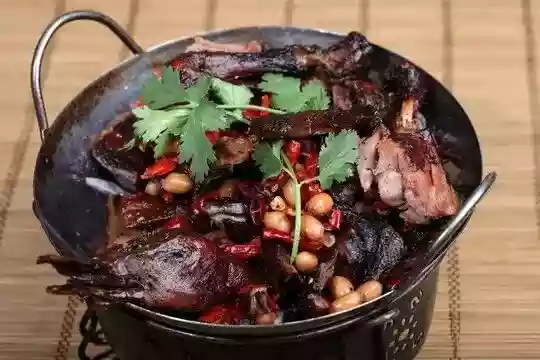
Named for its striking flavor, Thunder Duck distinguishes itself with a unique blend of seasonings, capturing the hearts of many. The prolonged process of marination and stewing allows the duck to fully absorb the aromatic oils and spices, creating a taste that's both fiery and refined, leaving a memorable aftertaste with every bite.
Spices needed for Thunder Duck: Dried tangerine peel (chenpi); cinnamon stick; star anise; angelica root powder (bai zhi); black peppercorns; Erjing Tiao dried chilies; yellow dried chilies, ground into spice powder and set aside.
Ingredients: Mallard duck or similar variety; salt; MSG; chicken bouillon powder; aged vinegar; oyster sauce; cooking wine; vegetable or tea seed oil.
- Thoroughly clean the duck, cutting it into portions, and rinse under water to remove any excess moisture.
- In a wok, heat some oil and sauté ginger chunks until they release their fragrance. Add the duck pieces and fry until the skin turns a lovely golden brown. Splash in some cooking wine, then add enough water to cover the duck. Stir in the spice powder, salt, MSG, chicken bouillon powder, aged vinegar, and oyster sauce. Simmer until the meat is tender enough to easily pull away from the bones. This can be prepared in large batches ahead of time.
- For serving, steam a portion of the marinated duck until thoroughly cooked, then transfer it to a pot and bring the broth to a boil until it thickens. Serve warm and enjoy the burst of flavors.
Shredded Beef Tripe
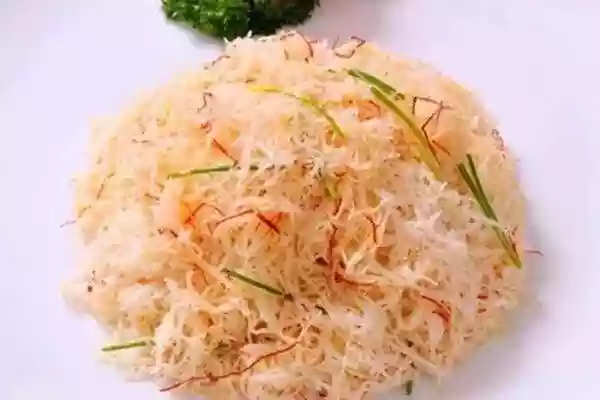
In this dish, the beef tripe is cut into fine shreds that resemble hair strands and quickly stir-fried over high heat. The result is a dish that's fragrant and crunchy, offering a unique blend of salty, savory, tangy, and spicy flavors. It stands out in the realm of beef dishes for its distinctive taste and texture. The challenge lies in the initial preparation of the tripe, requiring meticulous cleaning and knife skills to ensure even cutting and proper cooking.
Ingredients: Beef tripe, scallion, yunlan mushrooms (wood ear mushrooms), yellow vinegar, salt, beef bone stock (clarified), sesame oil, dried red chili flakes, MSG (optional), vegetable oil.
- Begin by cutting the beef tripe into chunks, boiling them to remove any dark membrane, then transferring them to a cold-water bath until partially cooked. Slice the tripe into fine shreds and place in a bowl. Treat for any residual odor by adding yellow vinegar and a pinch of salt, rinsing thoroughly, and squeezing out the excess moisture.
- Prepare the yunlan mushrooms by soaking and slicing them into strips similar in size to the shredded tripe. Roughly chop the scallion.
- For the sauce, mix yellow vinegar, cornstarch slurry (MSG optional), minced scallion, sesame oil, and clear stock in a bowl.
- Heat vegetable oil in a wok, add the chili flakes and mushroom strips, frying until fragrant. Add the shredded tripe, season with salt, and pour in the prepared sauce. Toss everything together quickly and serve immediately, garnished with additional chili flakes if desired.
Flower Mushroom Egg White

What are egg whites without yolks? In the Flower Mushroom Egg White dish, the challenge arises from handling the eggs delicately to refill the shells while ensuring they maintain their shape without leaking after steaming. This technique results in egg whites that are both visually stunning and delicious, offering a gentle, refined flavor that complements the rich umami of the flower mushrooms.
Ingredients: Eggs (whole), flower mushrooms (of good quality), leafy greens, clear chicken broth, sea salt, cornstarch (for thickening), sesame oil, black pepper powder, lard, MSG (optional), soy sauce.
- Start with several whole eggs, cleaning them thoroughly. Carefully puncture a small hole to separate the yolks from the whites, reserving the yolks for another use. Clean the shells and prepare the whites by mixing in a bit of clear broth, MSG, and sea salt.
- In a plate filled with rice, stand the eggshells upright and fill them with the egg white mixture. Steam until cooked through.
- Cool the steamed egg whites in water before peeling off the shells. Place them into warmed bone broth to keep them warm until serving.
- Clean the flower mushrooms and sauté them in lard, stirring in the leafy greens with a bit of salt until just tender. Arrange them on a plate and place the egg whites on top.
- Heat more lard in a pan, add the mushrooms, season with soy sauce, MSG, and pour in enough clear chicken broth to come to a boil. Thicken the sauce, pour it over the egg whites, drizzle with sesame oil, and sprinkle with black pepper powder to finish.
Soup-soaked Tripe Tips
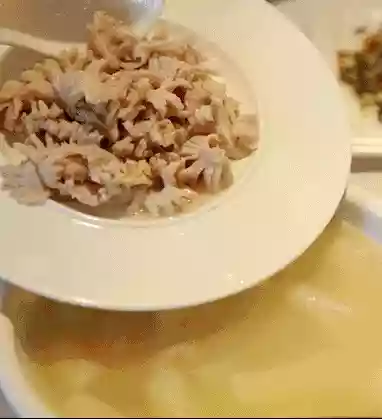
Celebrated for its exquisite preparation and texture, soup-soaked tripe tips have earned their reputation for being supremely tender and crisp. The key lies in the meticulous cleaning of the pig stomach tips and mastering the precise timing of blanching. To preserve their delightful crunchiness, the blanched tips are not added to the soup until served, ensuring an optimal taste experience.
Ingredients: Pig stomach tips (Koufu), button mushrooms, edible alkali (sodium bicarbonate), sea salt, pea shoots, MSG (optional), black pepper powder, clarified chicken fat, clear chicken stock, cooking wine, black pepper powder.
- Start by cleaning the pig stomach tips, scoring them to resemble gills, then cutting them into small pieces. Marinate with a touch of edible alkali for half an hour, rinse thoroughly to remove any alkaline taste, and set aside.
- Prepare the button mushrooms by cleaning, soaking, and gently massaging them with a bit of sea salt. Slice them into thick rounds, steam until soft, and prepare the pea shoots by washing and trimming.
- In a pot, bring the clear chicken stock to a boil, add the steamed mushroom slices, and adjust seasoning with salt and MSG. Skim off any foam, add the pea shoots, and ladle into serving bowls, finishing with a sprinkle of black pepper and a dollop of clarified chicken fat.
- In a separate pot, bring clear stock to a boil, add the tripe tips, and season with cooking wine and sea salt. Blanch briefly, then serve separately alongside the mushroom soup, adding the tripe tips to the soup just before eating to enjoy their perfect texture.
Braised Double-flavored Seafood
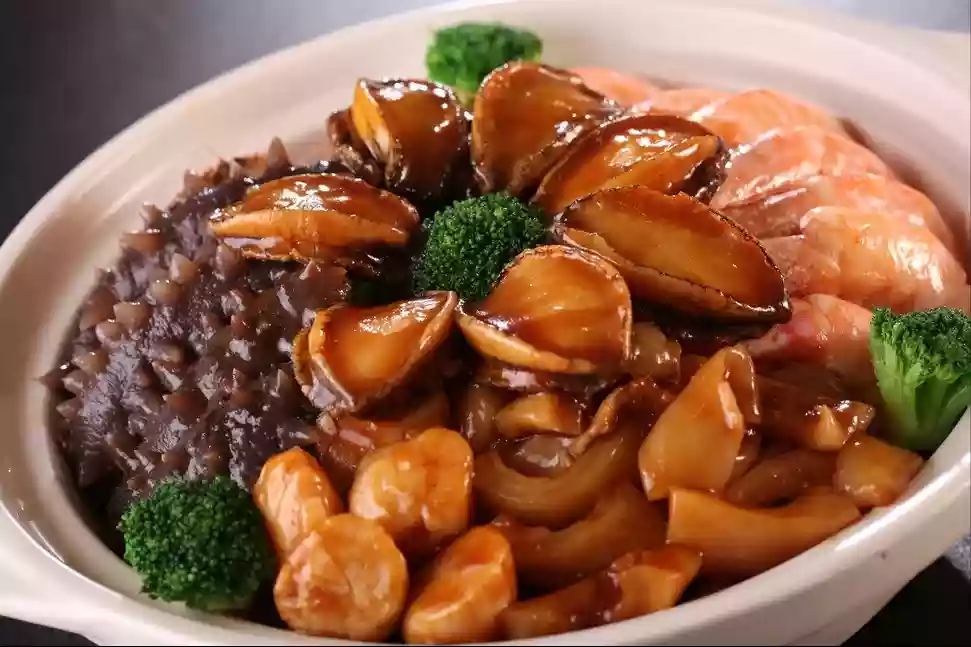
Red-braised dishes are a staple across various cuisines, with this seafood dish being a quintessential example of the rich, home-cooked flavors that can be easily recreated in your own kitchen. This dish is especially perfect for gatherings, where the shared joy of cooking meets the happiness of being together, turning every meal into a celebration of life's simple pleasures.
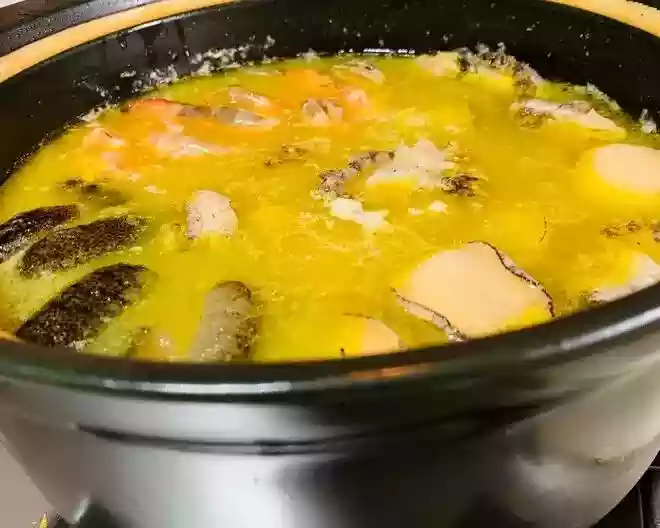
Ingredients: Hydrated fish maw, hydrated sea cucumber, bok choy, and seasonings include sea salt, monosodium glutamate, ground black pepper seeds, toasted sesame oil, spring onion slices, and sliced ginger.
Preparation Steps:
- Prepare the sea cucumber, shrimp, squid, and fish maw by cleaning and slicing them as needed. Prepare the bok choy by cutting it into pieces.
- Place all the prepared ingredients in a stewing pot. Add spring onion segments and sliced ginger, cover with broth, and simmer on a low heat. Once cooked, remove the spring onions and ginger, season with salt, MSG, and black pepper, and finish with a drizzle of sesame oil for a dish that's ready to impress.
Steamed Preserved Meats
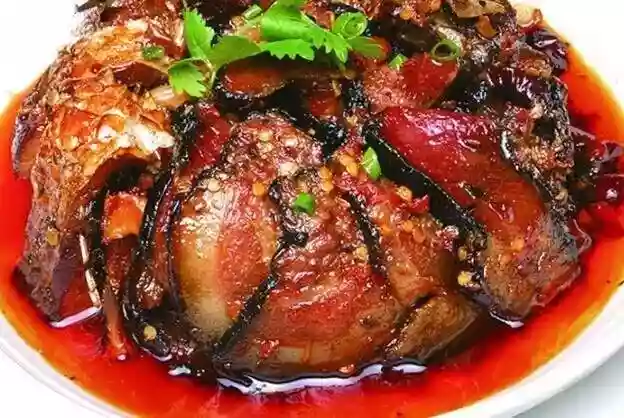
Preserved meats have been a part of Chinese cuisine for over two millennia, with steamed preserved meats being a homely dish cherished in many southern regions. The humid climate necessitated inventive methods of food preservation, and steaming became a favored method to bring out the best in these cured delicacies. This dish is a celebration of simplicity and tradition, where minimal seasoning allows the rich flavors of the meats to shine through.
Ingredients: Preserved pork, preserved sausages, preserved fish, preserved chicken, fermented black beans, 老干妈 (Lao Gan Ma) or similar spicy sauce, dry red chili segments, minced ginger and garlic, chicken seasoning powder, beer or cooking wine, red oil, salad oil, and spring onion flowers for garnish.
- Clean and prepare each type of preserved meat, slicing the sausages and pork into bite-sized pieces.
- Blanch the preserved meats in a pot of boiling water to remove excess salt and impurities. Drain well.
- Heat a generous amount of salad oil in a pan, briefly frying each type of preserved meat to enhance its flavor.
- In the same pan, sauté minced ginger and garlic, dry chili segments, and fermented black beans or Lao Gan Ma until fragrant. Add a splash of beer or hot water, then stir in the chicken seasoning powder and previously fried meats. Cook until flavors are well blended, then transfer to a steaming dish.
- Steam in a pressure cooker for 20 minutes or in a steaming basket for over 40 minutes. Once done, invert onto a serving plate and garnish with spring onion flowers for a final touch of freshness.
Braised Soft Shell Turtle Claw
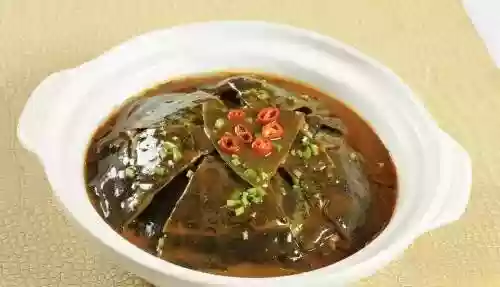
Soft shell turtle, known for its culinary delicacy, is the star of this dish, inviting a slow-cooking process to tenderize the robust claws. Typically requiring a gentle simmer over three to four hours, this method ensures the claws are infused with a deep, flavorful sauce, turning them into a succulent treat with a glossy amber hue. This dish is a proud representation of Xiangxiang culinary art, offering a taste that's rich, complex, and utterly unforgettable.
Ingredients: Soft shell turtles, pork belly, dried shiitake mushrooms, vinegar, soy sauce, minced garlic, grated ginger, lard, green onions, sea salt, monosodium glutamate, huangjiu (seasoned rice wine), sesame oil.
- Begin by rehydrating the shiitake mushrooms, slicing them in half after removing the stems. Clean the soft shell turtles, chopping the claws into manageable pieces, and slice the pork belly into sizable pieces.
- Heat lard in a pan, frying the garlic until golden and crispy. Add the turtle claws, frying until they release their moisture and become fragrant. Incorporate the pork belly pieces, green onions, ginger, and mushrooms, seasoning with huangjiu, soy sauce, and salt. Stir well, ensuring the flavors meld together, then add enough water to cover the ingredients.
- Transfer everything to a clay pot or a large, heavy-bottomed vessel, adding a steaming rack and water. Cover and simmer on a medium-low heat for about half an hour or until the claws are tender. Remove the green onions, ginger, and pork belly pieces, leaving only the turtle claws and mushrooms. Continue to cook until the claws are perfectly soft.
- Strain the sauce from the pot, adjusting it with MSG and reducing it until thickened. Pour over the arranged claws and mushrooms, finishing with a drizzle of sesame oil and a sprinkle of black pepper. Serve with a side of ginger and vinegar sauce for dipping, completing a dish that's as rich in flavor as it is in tradition.
Nutrition