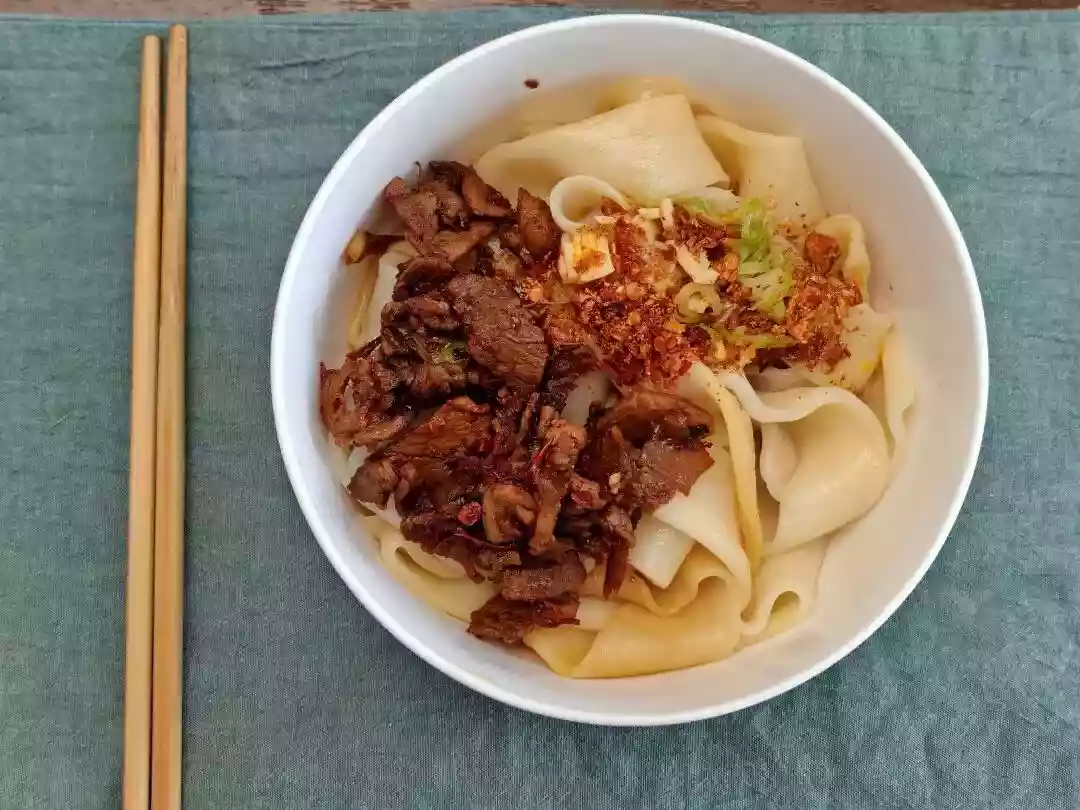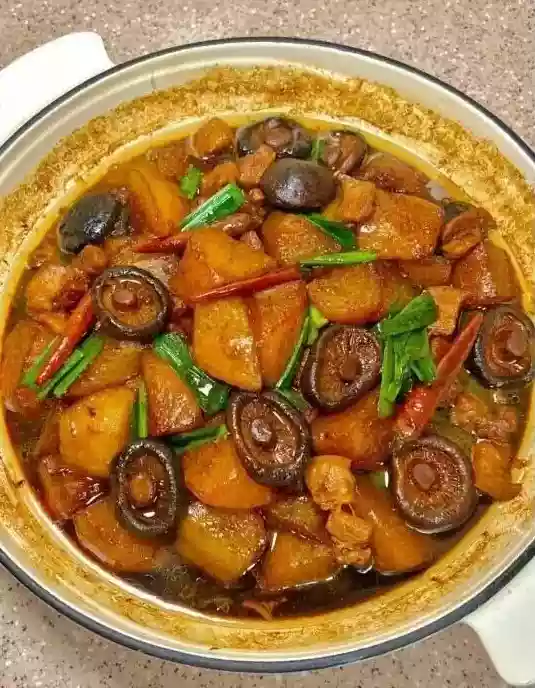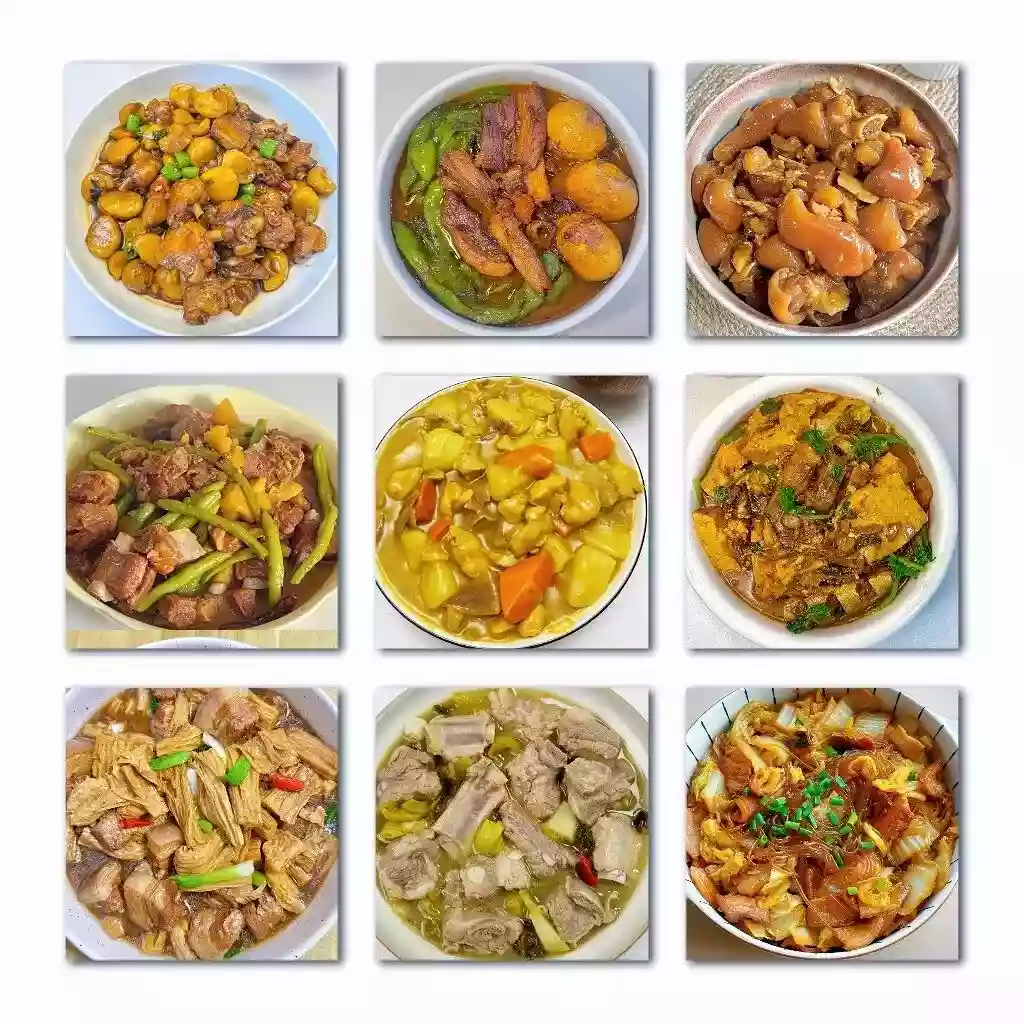
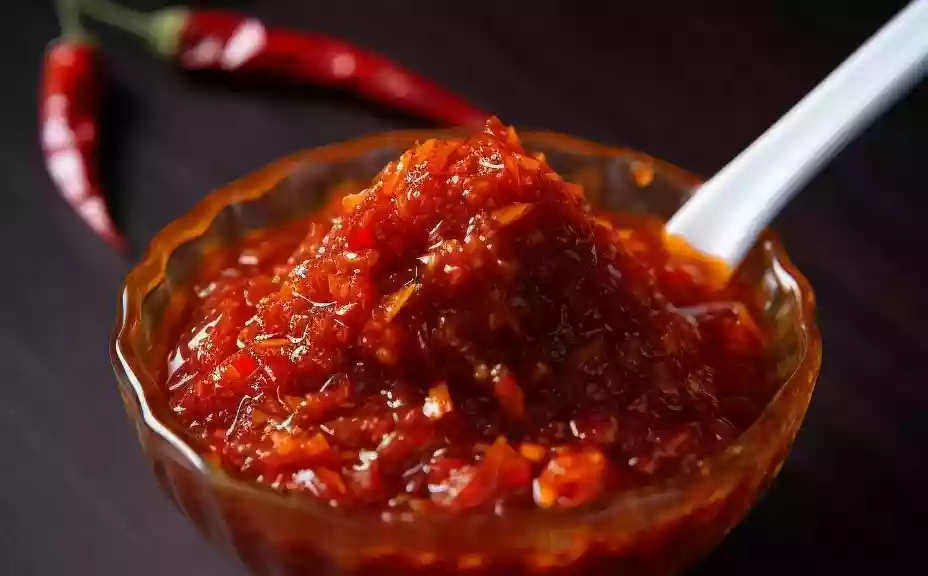
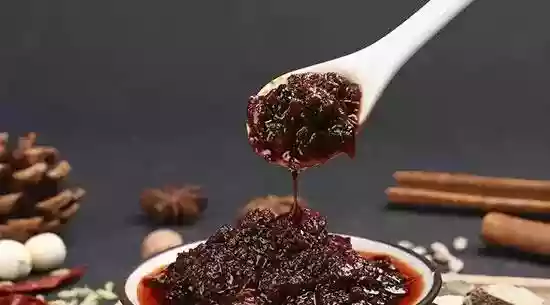

We never buy soy sauce at home—homemade tastes better, with no additives and a lot more peace of mind.
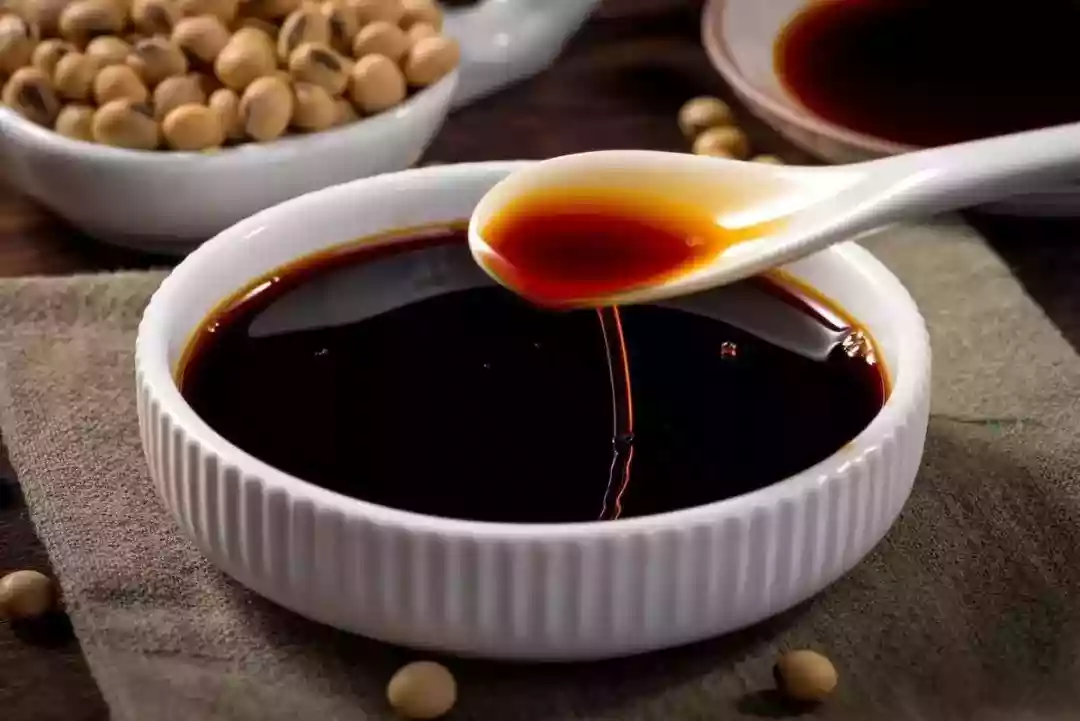
Never do we purchase soy sauce in my household; our homemade version is simply too aromatic and, what's more, its lack of additives makes it the healthier choice. Now you're probably thinking, just how aromatic can homemade soy sauce be?
Well, let's roll up our sleeves and start with the ingredients. Simple, right? The elements we need are likely already gracing your kitchen shelves:
30 grams of salt, 50 grams of sugar (30 grams initially, with an additional 20 grams to be used later), several bay leaves, 3-4 star anise, and a modest 30 grams of fermented black beans. That's it, folks!
The beauty of this recipe is that you can tweak it to fit your taste. If you're after a more aromatic concoction, feel free to add more spices. Maybe you prefer a fresher note? Toss in a bit of dried shrimp and shiitake mushrooms then!
I like to serve these the way I did last time, when I introduced some yellow rock sugar to replace a part of the white sugar, resulting in a flavor profile with more depth. The key flavor is in the fermented black beans, so when you're purchasing them, opt for the traditional sun-dried Yangjiang fermented black beans for the best results...
When it comes to making your own soy sauce, the devil is truly in the details!
Step One: Caramelizing Sugar
Begin by heating your pan and swiftly stirring in the salt over high heat till it takes on a slight yellow hue. This step is pivotal folks, a well-fried salt is what really brings out the flavor!
After turning off the heat, while the pan is still hot, stir in 30 grams of sugar. Ah, this is my favorite part of the process! Using the residual heat to melt the sugar, ensure that the sugar caramelizes to a reddish-brown. Remember, too light and the fragrance won't be enough, too dark and you risk the bitterness...
Step Two: Simmering Essence
Once your sugar has achieved that perfect caramel color, swiftly pour in 3000 milliliters of boiling water!
Quickly stir to ensure even mixing, then introduce the bay leaves, star anise, and fermented black beans. The black beans are the soul of this sauce, so be sure to include them in sufficient quantity. Next, add the remaining 20 grams of sugar to balance the saltiness, cover with a lid, and let it simmer on low heat for 5 minutes.
Step Three: Adding Flour Water for Enhanced Aroma
Prepare a mixture of 50 grams of flour and 500 grams of water. Stir it well and pour it into the pot. The flour water lends a richness to the soy sauce and adds to the overall texture...
Step Four: Boil Thoroughly and Strain
Now it's time to bring it back to a boil over high heat for another 10 minutes, remove the large spices, and let it cool off. After it has cooled completely, strain out any remaining bits and pieces. Pour the resulting liquid into a clean, dry, oil-free glass bottle ready for storage.
The yield from a single session should last you roughly six months! In my fridge, there's always a bottle ready to lend its magic to any dish... incredibly handy!
Using Your Homemade Soy Sauce: Elevate Your Dishes!
Effectively using your homemade soy sauce does involve a few key techniques. First, adjust the color, then the seasoning—this means adding soy sauce before salt to ensure a perfect balance between color and flavor!
When it comes to storing your homemade soy sauce, remember, low-temperature storage is very important. So, ensure you seal the bottle tightly when stowing it away in the fridge.
Nutrition