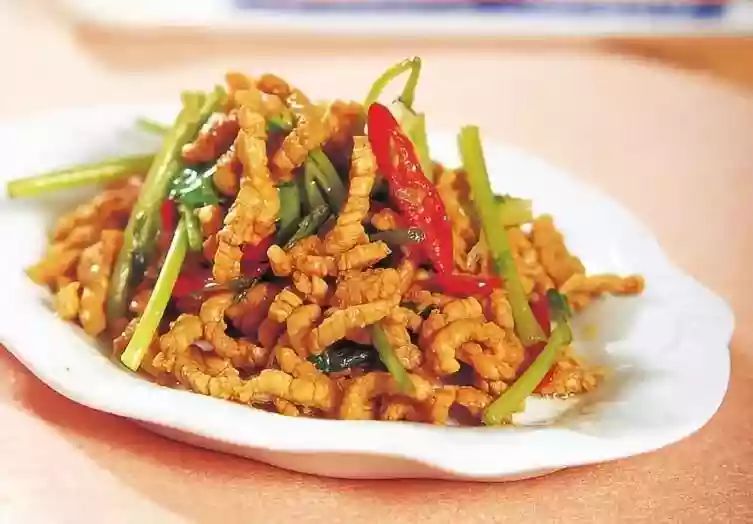
How many of China's Eight Great Cuisines' signature dishes have you tried? It's time to put your foodie skills to the test.
The time has come for all food lovers to find out how many of the signature dishes from China's eight major culinary traditions they have tried. Each of these traditions is very important and adds to the amazing range of Chinese food culture. Let's go on a culinary journey through these eight cuisines and learn how to make a signature dish from each one.
1. Shandong Cuisine: Nine-Turn Large Intestine
Shandong cuisine is the best of the eight major cuisines. It started in the Spring and Autumn period and reached its peak in the Ming and Qing dynasties. It is the source of both official and imperial cooking styles, which is why it is known as the "Mother of Chinese Cuisines."
For this recipe, you will need: 500g of pig large intestine, 20g of green onion, 15g of ginger, 15g of garlic, 5g of cilantro segments, 3 dried red chilies, 30ml of cooking wine, 20ml of white vinegar, 4g of salt, 40g of sugar, 20ml of light soy sauce, 5ml of dark soy sauce, 30ml of rice vinegar, 1g of Sichuan pepper powder, 1g of cinnamon powder, 0.5g of cardamom powder, 0.5g of ground black pepper, 20g of cornstarch slurry, and a suitable amount of cooking oil.
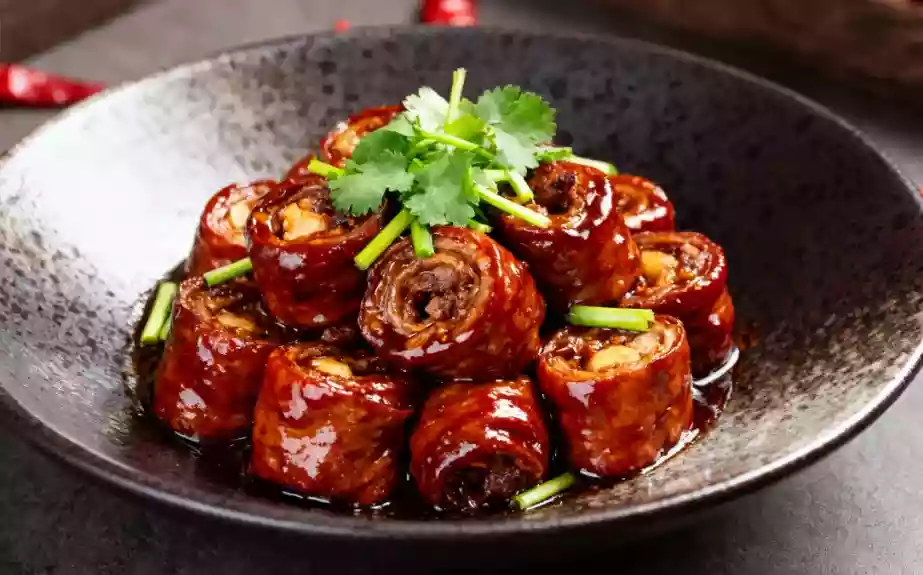
Steps for Cooking:
- Use salt and white vinegar to scrub the large intestine clean. Soak it in cooking wine for 10 minutes, then blanch it and let it simmer for 30 minutes before cutting it into 3cm pieces.
- Fry the intestine in the oil until it is golden brown and crispy, then drain well.
- Sauté the green onion, ginger, garlic, and dried chilies in the oil until they smell good. Then add all the spices and mix well.
- Add 200ml of water and the pieces of intestine, and let them cook for ten minutes. Turn up the heat to thicken the sauce, add white vinegar, and finish with cornstarch slurry and a sprinkle of cilantro.
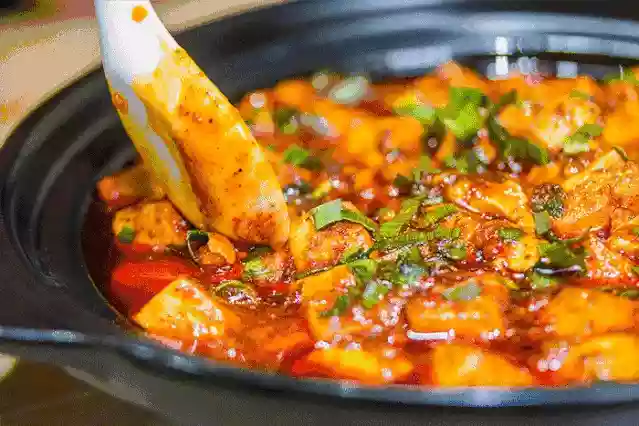
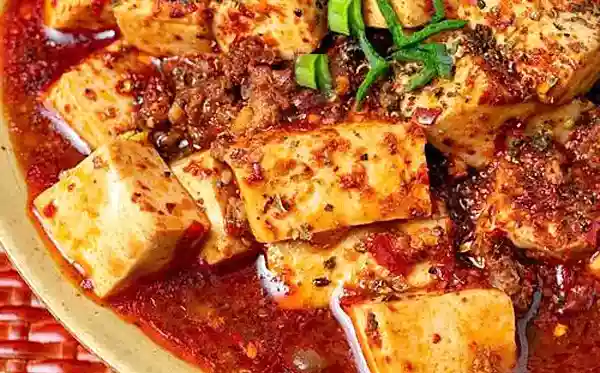
2. Mapo Tofu from Sichuan Cuisine
Mapo Tofu, which comes from Chengdu in the late Qing dynasty and combines the spicy flavors of Bashu, has won over the whole country with its homely appeal. It is a great example of Sichuan cuisine's principle that each dish has its own style.
What you need: 400g soft tofu, 80g ground beef, 30g Pixian doubanjiang, 10g fermented black beans, 5-8g chili powder, 2g Sichuan pepper powder, 5g minced ginger, 10g minced garlic, 10ml cooking wine, 10ml soy sauce, 3g sugar, 15g cornstarch, 300ml meat broth or water, and 40ml cooking oil.
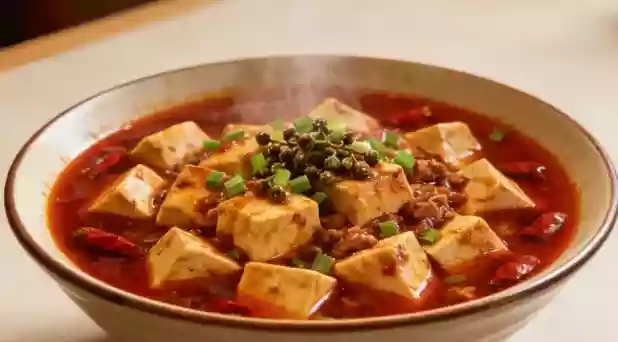
Steps for Cooking:
- Cut the tofu into cubes and poach them in boiling salted water for five minutes. Then, take them out and let them drain.
- Add cooking wine to the ground beef. Chop the doubanjiang and black beans very small. Make a slurry out of cornstarch.
- Fry the beef in oil over medium heat until it is crispy and smells good. Add the chopped doubanjiang and black beans, and fry them until the oil turns red and smells good. Mix the ginger, garlic, and chili powder into the beef well.
- Add the broth or water, soy sauce, and sugar, and bring to a gentle boil. Add the tofu slowly and let it simmer over medium-low heat for three to five minutes. Slowly add the cornstarch slurry while stirring gently until the sauce thickens and shines, covering the tofu.
- Add Sichuan pepper powder at the end, stir it in lightly, and serve in a deep dish with more pepper powder on top.
3. White Cut Chicken from Cantonese Cuisine
White Cut Chicken, which comes from the Lingnan region and dates back to the Qin and Han dynasties, focuses on bringing out the natural freshness of its ingredients. It perfectly shows the "original flavor" philosophy of Cantonese food.
What you need: 20g of ginger, 30g of green onion, 5g of salt, and a dash of prickly ash oil (optional).
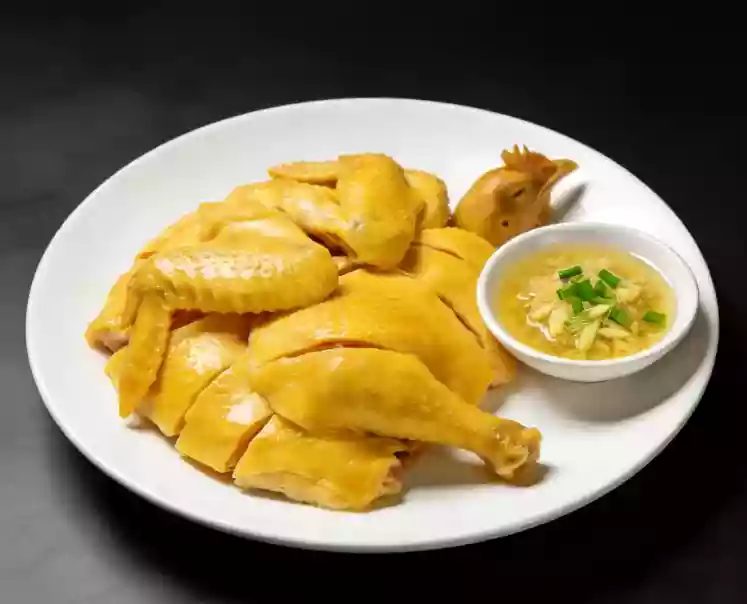
Steps for Cooking:
- Clean the chicken well and put it in boiling water. Cover the pot and turn off the heat. Let it poach for twenty-five minutes, then quickly cool it down in an ice bath to keep the juices inside.
- To make a dipping sauce, mix minced ginger and green onion with salt, then pour hot oil over it and add a little prickly ash oil. Serve this with the sliced chicken to get a taste of both simplicity and style.
4. Jiangsu Food: Squirrel Fish
The Squirrel Fish, which comes from Suzhou and thrived during the Ming and Qing dynasties, is proof of the Jiangnan region's rich resources. It shows off Jiangsu cuisine's trademark "delicate knife skills and elegant presentation," which used to be served at royal banquets.
Ingredients: One mandarin fish (about 800g), 50g tomato sauce, the right amount of Shaoxing wine, 30g sugar, 25g vinegar, 100g cornstarch, and the right amount of green peas and pine nuts for garnish.
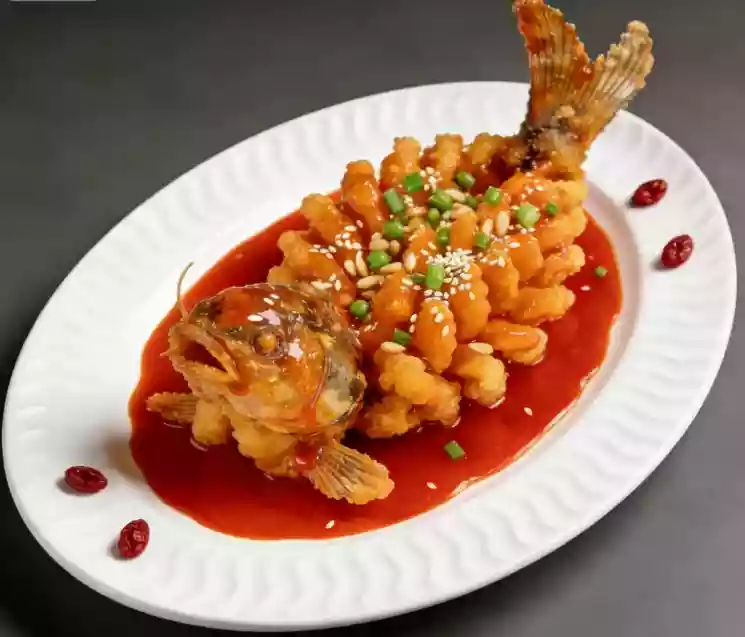
Steps for Cooking:
- Remove the bones from the fish, cut it into a diamond shape, and soak it in Shaoxing wine and salt. Then, dry it off.
- Coat the fish evenly with cornstarch and fry it at 360°F (180°C) for two minutes. Then, quickly fry it again at 392°F (200°C) for thirty seconds to set the shape.
- Put the sweet-and-sour sauce on the fish and top it with green peas and pine nuts to serve.
5. Fujian Cuisine: Buddha Jumps Over The Wall
This dish comes from Fuzhou and was made in the late Qing dynasty. It captures the essence of mountains and seas. It is the best example of Fujian cuisine's "slow-simmered freshness," a method that slowly brings out the flavors of its rich ingredients.
What you need: Two soaked Japanese sea cucumbers, six soaked abalones, four soaked fish maws, 300g of soaked fish lips, 40g of dried scallops, 30g of dried clams, eight soaked shiitake mushrooms, twelve quail eggs, 50g of Jinhua ham, 200g of pig trotter tips, half an old hen, 200g of pork ribs, and 100g of pig tendons.
Seasoning for the broth: One old hen, 500g of pork bones, one pig trotter, 100g of Jinhua ham bone, 80g of ginger, 100ml of cooking wine, 5000ml of water, 300ml of Fujian rice wine, 20g of green onions, 15g of rock sugar, 3g of white pepper powder, a suitable amount of salt, and one lotus leaf.
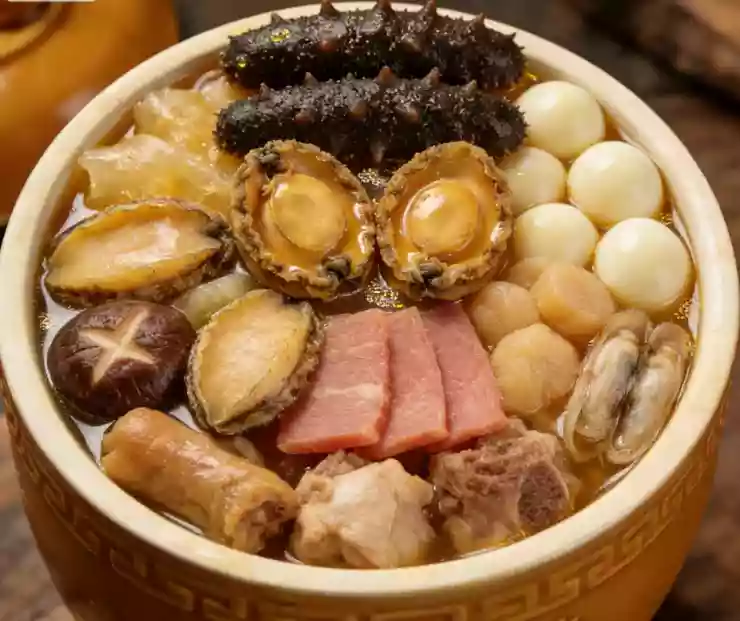
Steps to Cook:
- Soak and blanch all of the dried ingredients, such as quail eggs, pig trotter tips, chicken pieces, and ribs. Then set them aside.
- To make the broth, boil the base ingredients and then add clear water, ginger, and cooking wine. Let it simmer, then strain it to make a rich stock.
- Put the meats, mushrooms, seafood, and other high-quality ingredients in a jar or bowl in layers.
- Mix the broth with Fujian rice wine, sugar, and white pepper. Then pour it over the other ingredients and cover the jar with a lotus leaf.
- Steam for three to four hours on low to medium heat, skimming off any grease. Before serving this delicious dish, add salt to taste.
6. Dongpo Pork from Zhejiang Cuisine
Su Shi of the Northern Song Dynasty is credited with creating Dongpo Pork, which is deeply rooted in the water towns of Zhejiang. It combines the culinary knowledge of literati and is a classic example of Zhejiang cuisine's "light, fresh, and harmonious" style.
Ingredients: 500g of pork belly, 800ml of yellow rice wine, three tablespoons of light soy sauce, two tablespoons of dark soy sauce, two tablespoons of rock sugar, a bunch of scallions, and a piece of ginger.
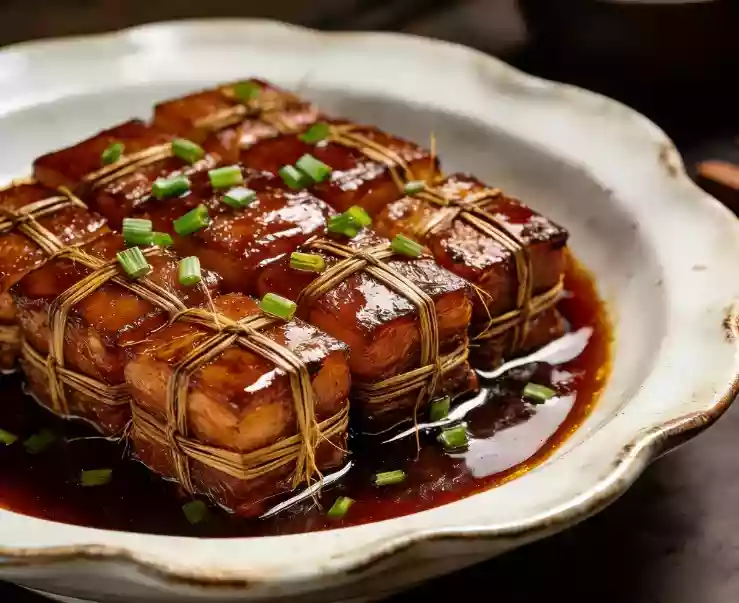
Steps for Cooking:
- Boil the pork belly in clean water for five minutes, then rinse it off and cut it into big square pieces. Use straw twine to tie each piece together.
- Put scallions and ginger slices at the bottom of a clay pot to keep things from sticking and make the food taste better.
- Put the pork belly in the pot with the skin side down and pour in enough yellow rice wine to cover the meat.
- Add light and dark soy sauces, sprinkle rock sugar on top, cover, and bring to a boil. Then let it simmer on the lowest flame for an hour and a half.
- Turn the pork belly skin-side up and let it simmer for another thirty minutes. Before serving this delicious dish, taste it and add more seasoning if needed.
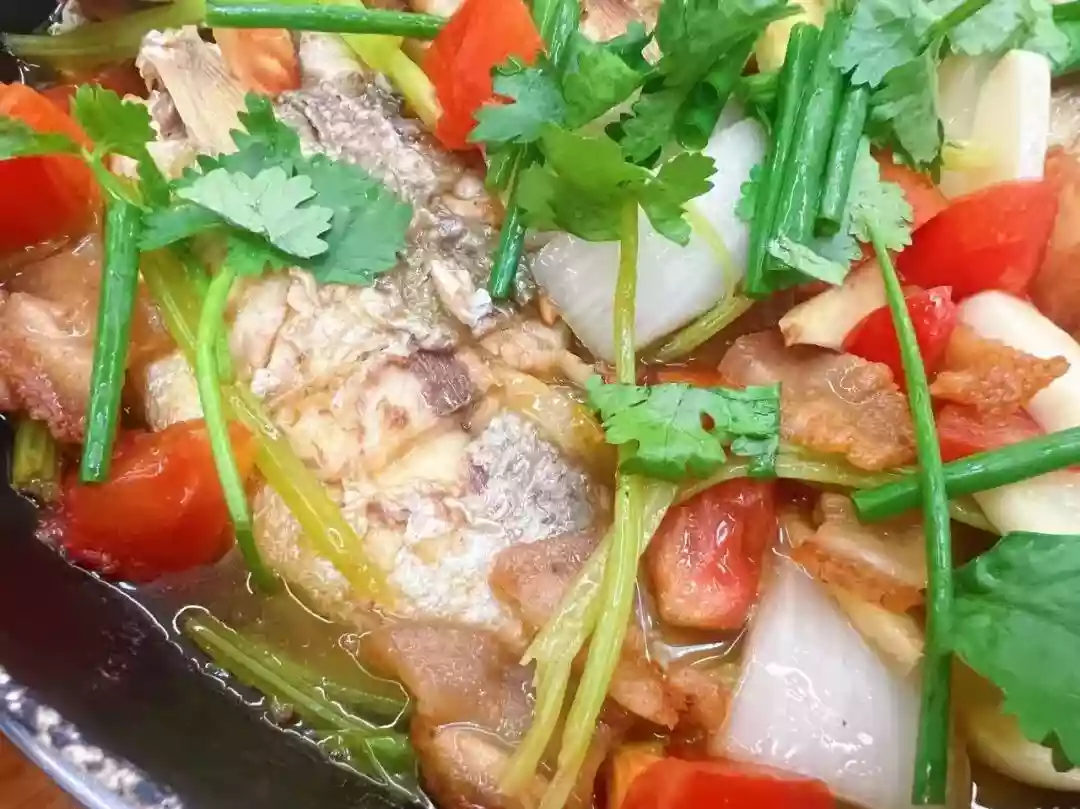
7. Chopped Chili Fish Head from Hunan Cuisine
Chopped Chili Fish Head is a signature dish of Hunan cuisine. It is based on Hunan's folk traditions and reflects the region's mountainous and spicy landscape. It follows the long-standing tradition of "appetizingly sour and spicy" flavors.
Ingredients: One fish head (about 800g), 50g of chopped chili peppers, 20ml of steamed fish soy sauce, the right amounts of minced ginger, scallion, garlic, and 10ml of white liquor.
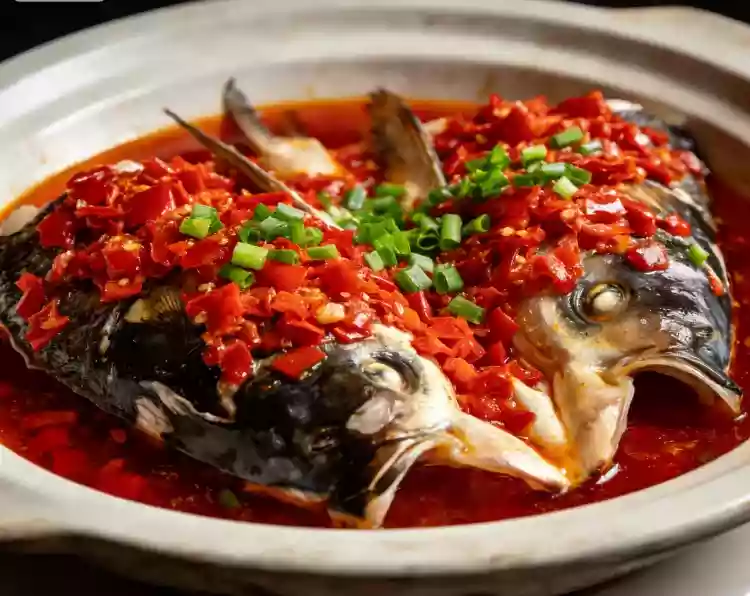
Steps for Cooking:
- Cut the fish head off the back and soak it in salt, white liquor, and ginger slices for ten minutes.
- Generously sprinkle chopped chili on top and pour soy sauce over the steamed fish.
- Steam for 15 minutes at 115°C, then top with freshly grated ginger and scallion. Just before serving, drizzle hot rapeseed oil on top.
8. Anhui Food: Stinky Mandarin Fish
Stinky Mandarin Fish comes from the Huizhou region during the Ming and Qing dynasties. It uses the area's special climate to ferment naturally. This method combines strong flavors and heat, which is a wise way to preserve food, and makes a dish with unique and strong flavors.
Ingredients: One stinky mandarin fish (about 500g), a piece of fresh ginger, three cloves of garlic, two stalks of spring onions, three dried red chilies, one tablespoon doubanjiang, two tablespoons light soy sauce, two tablespoons dark soy sauce, two tablespoons cooking wine, one tablespoon sugar, a pinch of chicken essence, and enough cooking oil.
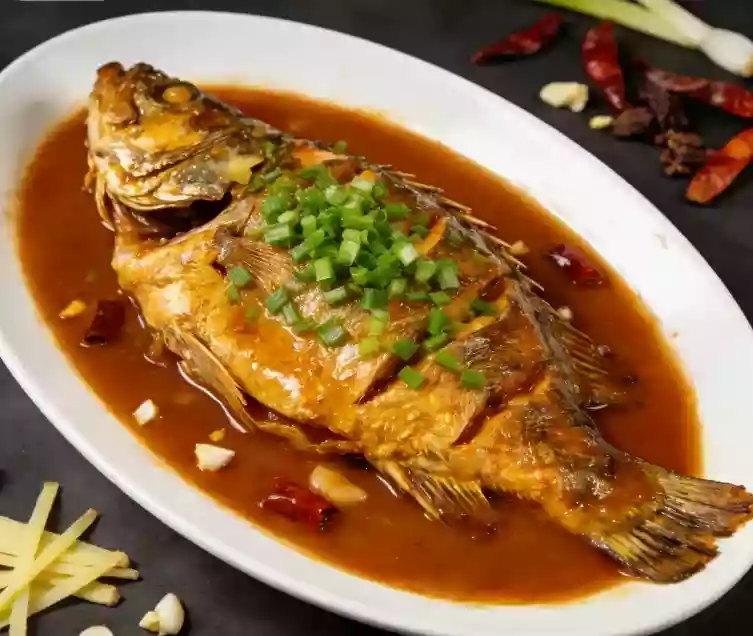
Steps to Cook:
- Clean the smelly mandarin fish by cutting slashes across its body and drying it well with paper towels. Get the ginger, garlic, spring onions, and red chilies ready.
- In a pan, heat the oil and cook the fish over medium-low heat until it is golden brown on both sides. Then take it out.
- In the same pan, cook the ginger, garlic, and chilies until they smell good. Put in the doubanjiang and fry until the oil turns red.
- Add soy sauces, cooking wine, and enough water to cover the fish halfway. Then add sugar and bring to a boil. Add the fried fish back in and let it simmer on medium-low heat for 10 to 15 minutes, flipping it every so often so that the flavor gets evenly distributed.
- When the sauce gets thicker, add salt and a little bit of chicken essence to taste. Before serving this tasty dish, add some spring onions on top.
Nutrition