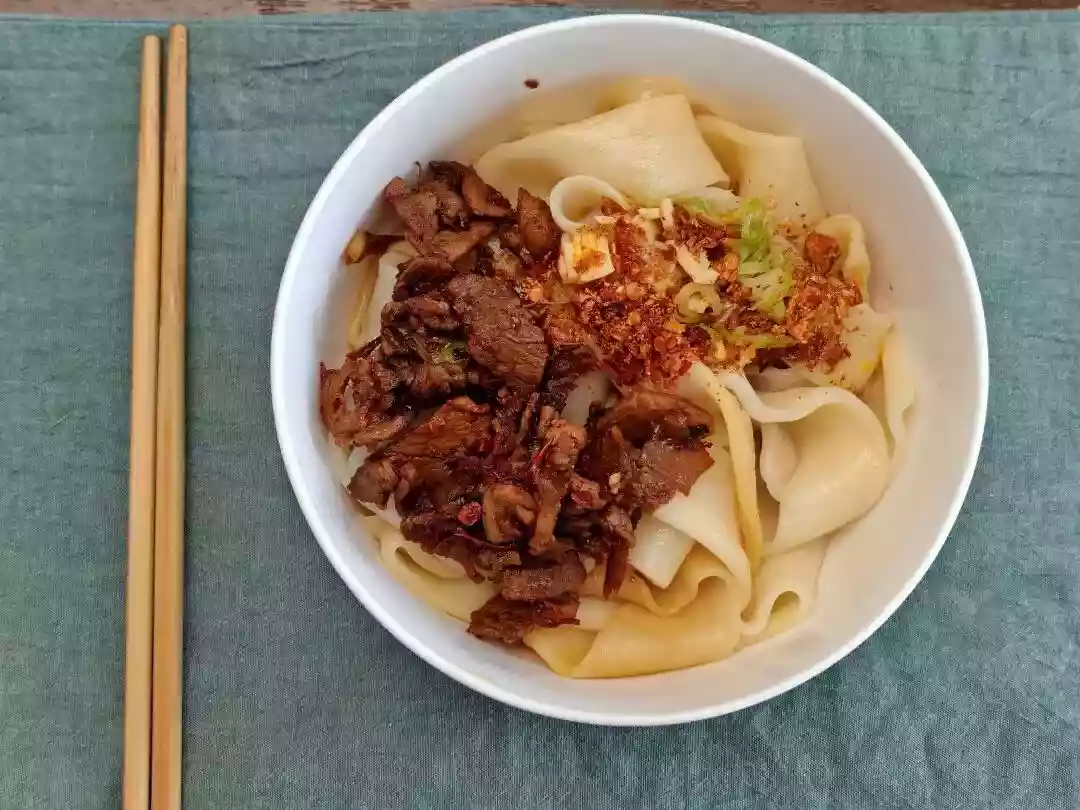
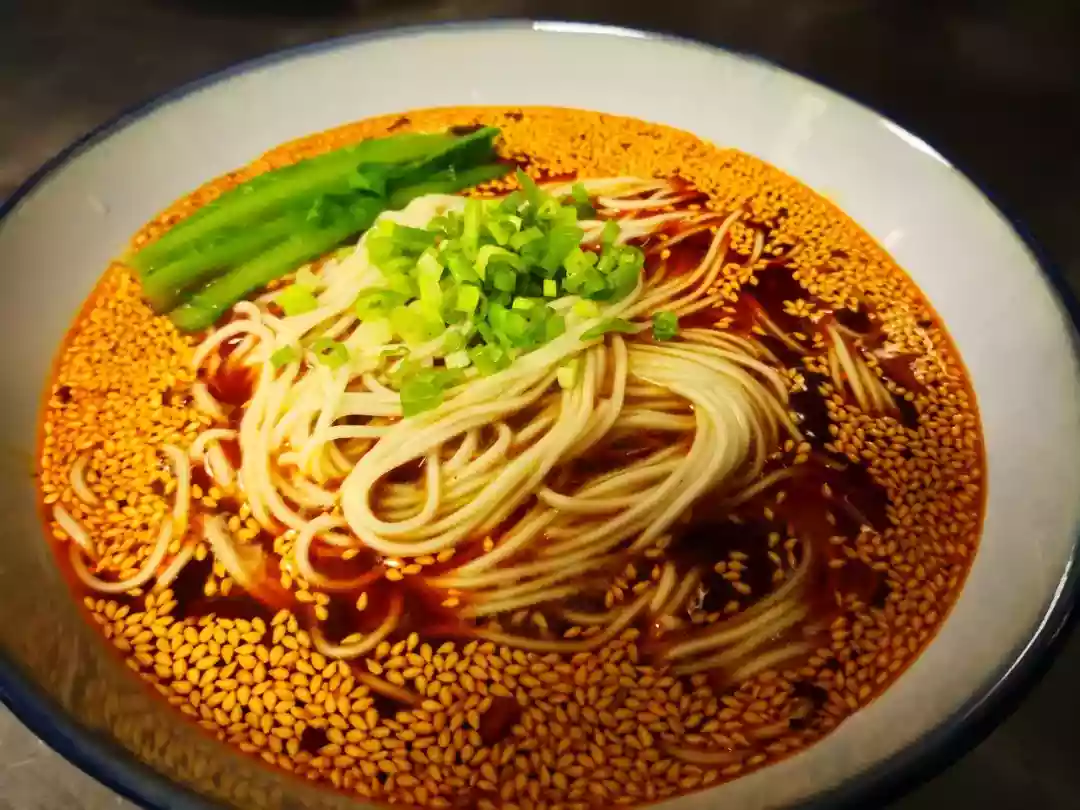
Pea Mixed Noodles
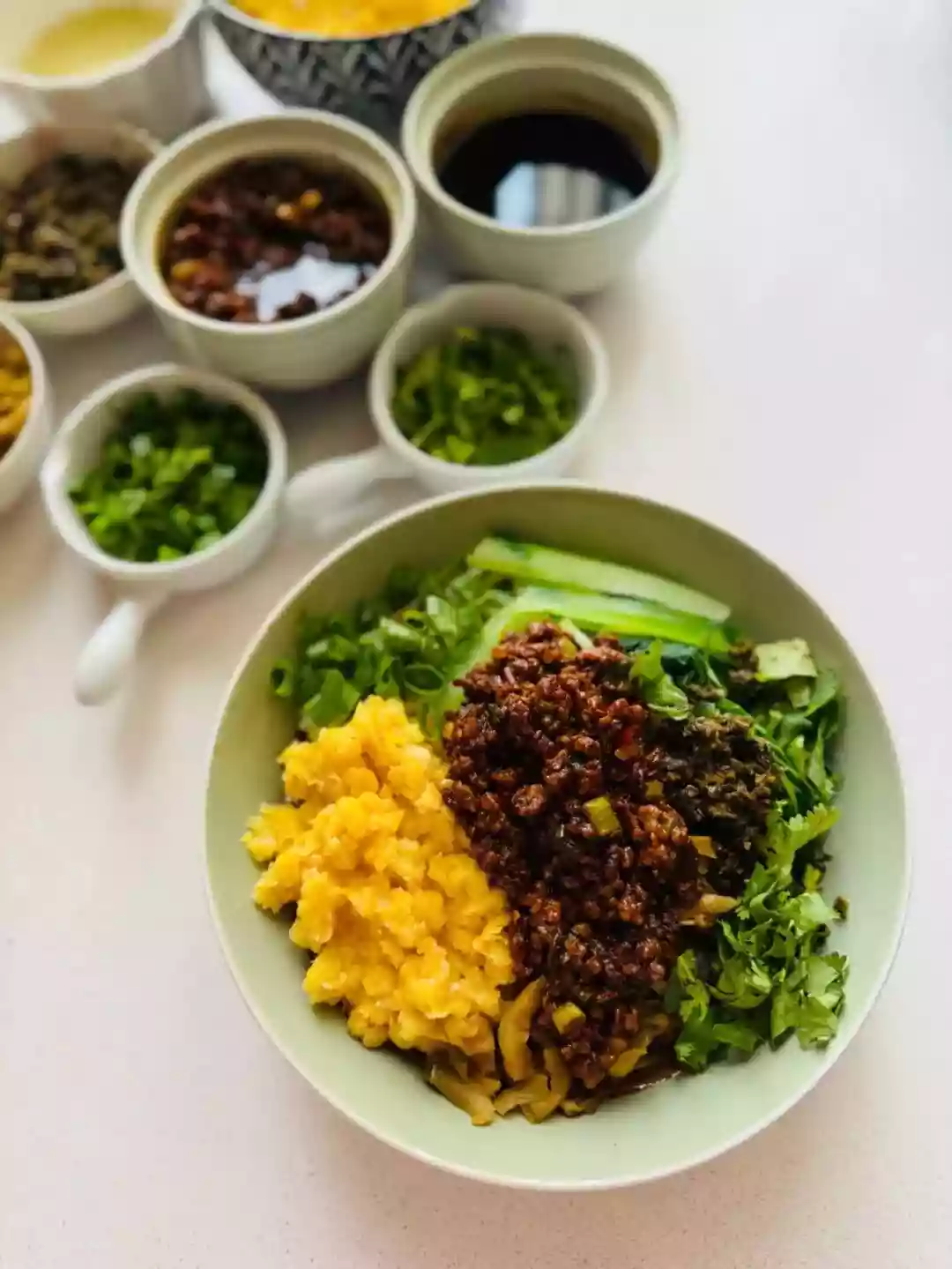
A few years ago, while walking around Chongqing, I came across a simple dish that quickly became my favorite: pea mixed noodles. The peas were overcooked to a soft, delicious texture, and they smelled great. The minced meat had a nice crunch. The pickled mustard greens, bean sprouts, and tender green vegetables all worked together to make a savory bite of noodles that was full of different flavors.
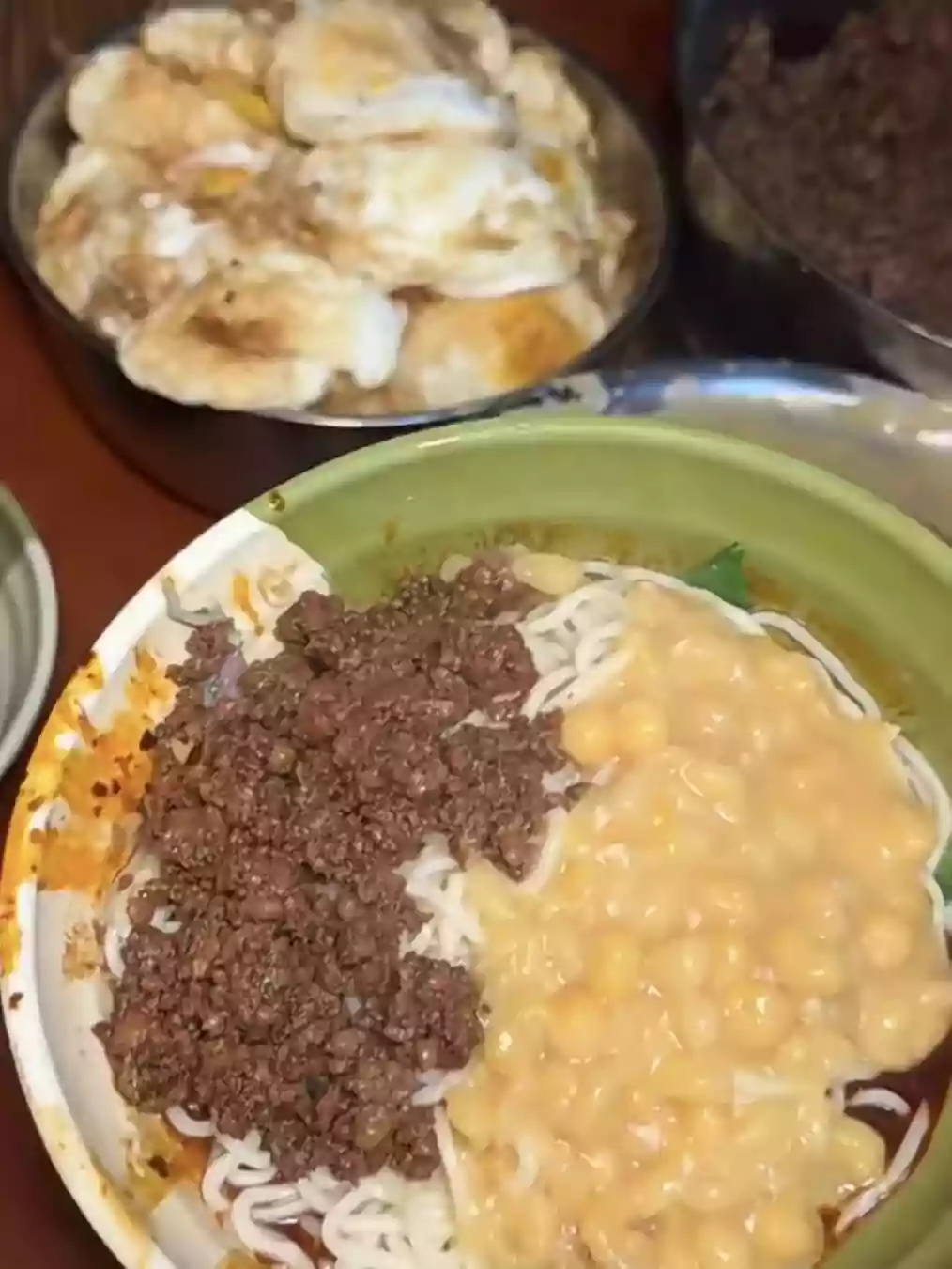
Pea mixed noodles are my favorite kind of Chongqing noodles, even though there are many other kinds. The texture of the noodles and the amount of minced meat may be different at different noodle shops around the country, but the golden pile of softened peas is what really makes this dish stand out.
In Sichuan dialect, the words "softened" or "overcooked" mean a texture that is soft and comforting. People in Sichuan and Chongqing eat overcooked peas every day. In the past, this simple ingredient was added to the sauce to make up for the lack of meat in the dish. It was a case of "more peas, less meat." But when living conditions got better and meat became more available, people didn't stop eating peas. They loved the way the peas felt soft and smooth when they were cooked and the way they smelled and tasted when they were mixed with fat. So, overcooked peas are now a big part of breakfast in this mountain city.
Let's dive into the world of pea mixed noodles today!
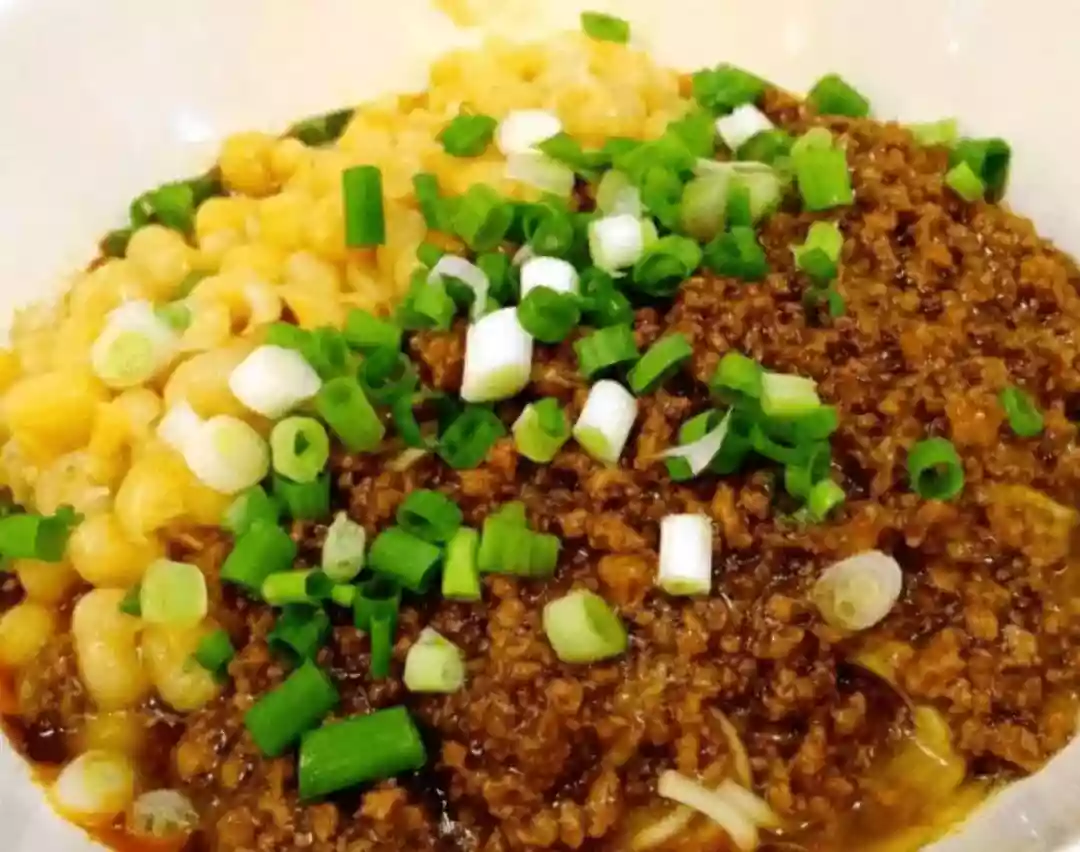
Ingredients
200g dried peas, 250g ground pork, noodles for two servings, a handful of greens, half a bag of bean sprouts, one small bag of mixed vegetables, two scallions, one piece of ginger, four to five cloves of garlic, 100ml light soy sauce, two star anise, about ten Sichuan peppercorns, two bay leaves, and one tablespoon Pixian doubanjiang (spicy broad bean paste), 1 tablespoon sweet bean sauce, 1 tablespoon white sugar, 1 tablespoon brown sugar, 1 tablespoon cooking wine, a dash of chili oil, Sichuan pepper powder, sesame paste, and lard to taste
Steps
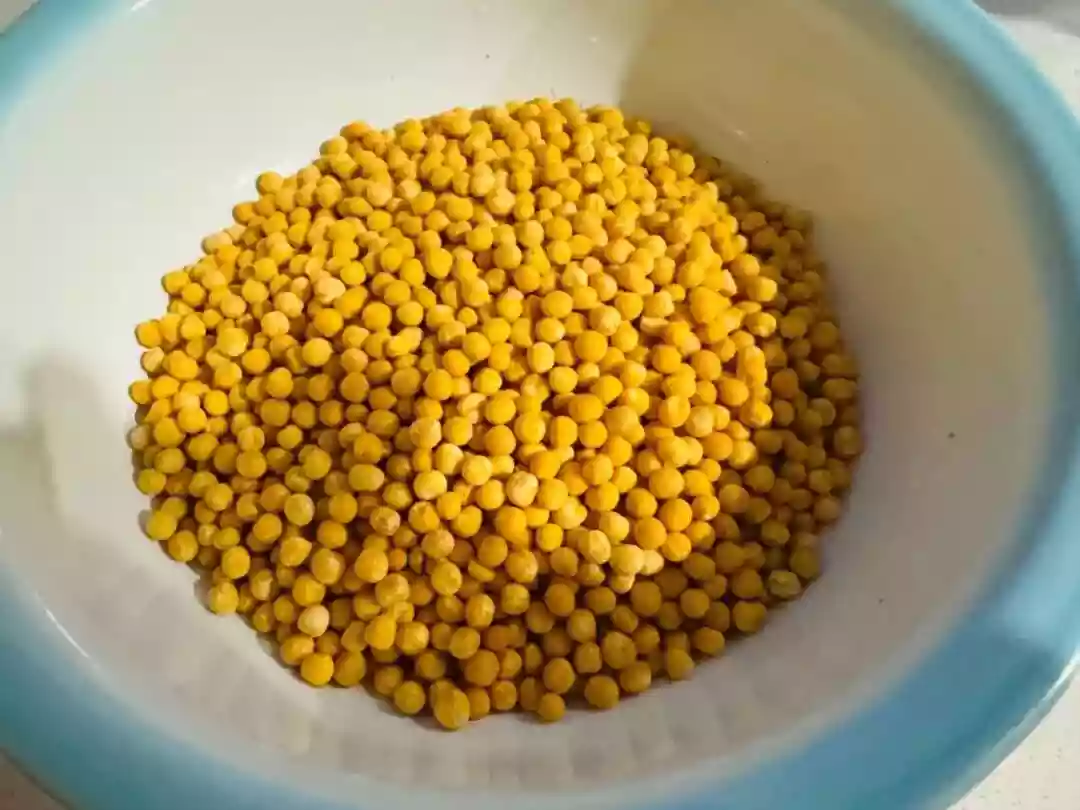
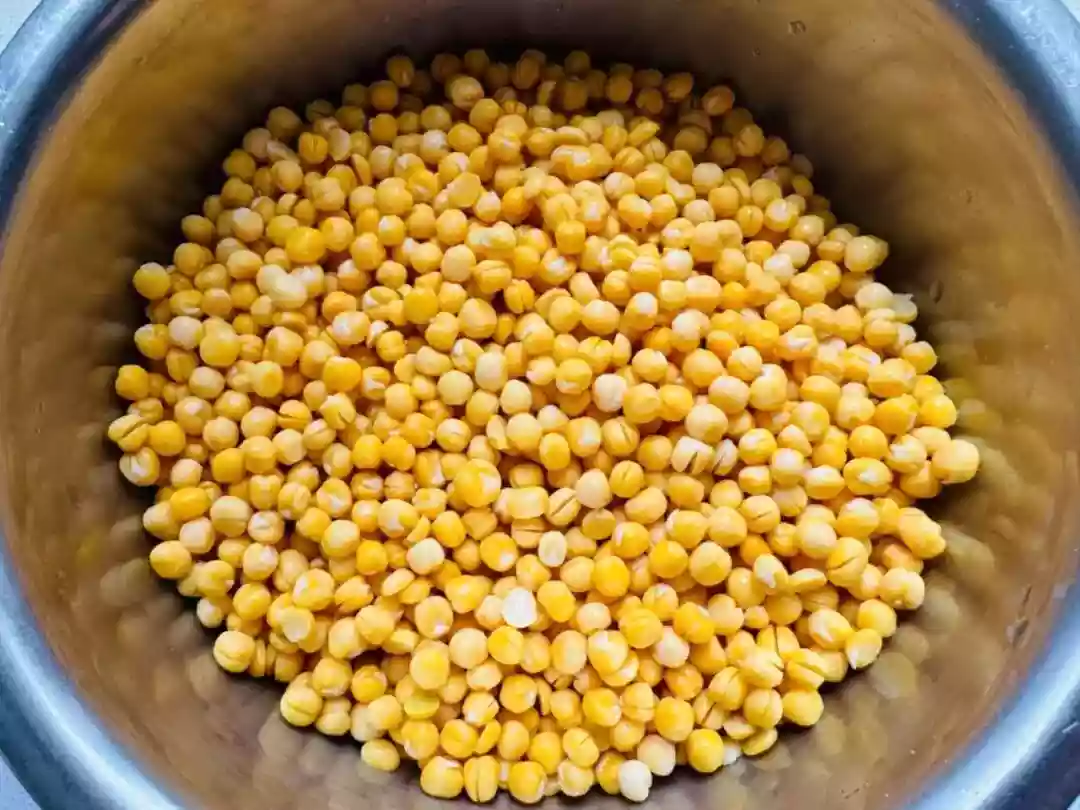
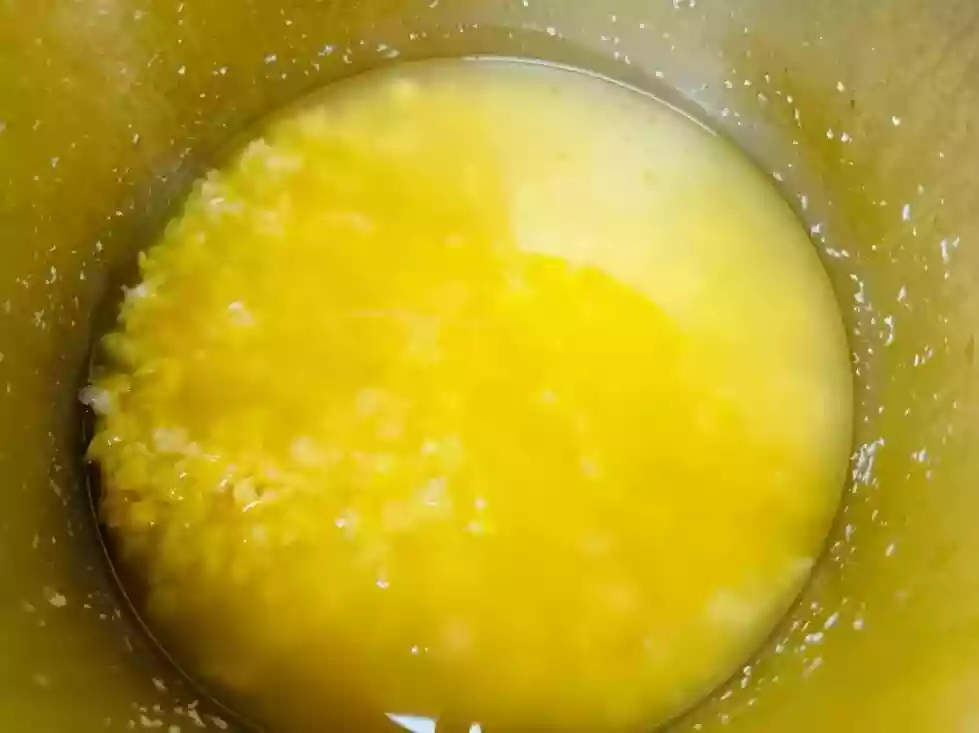
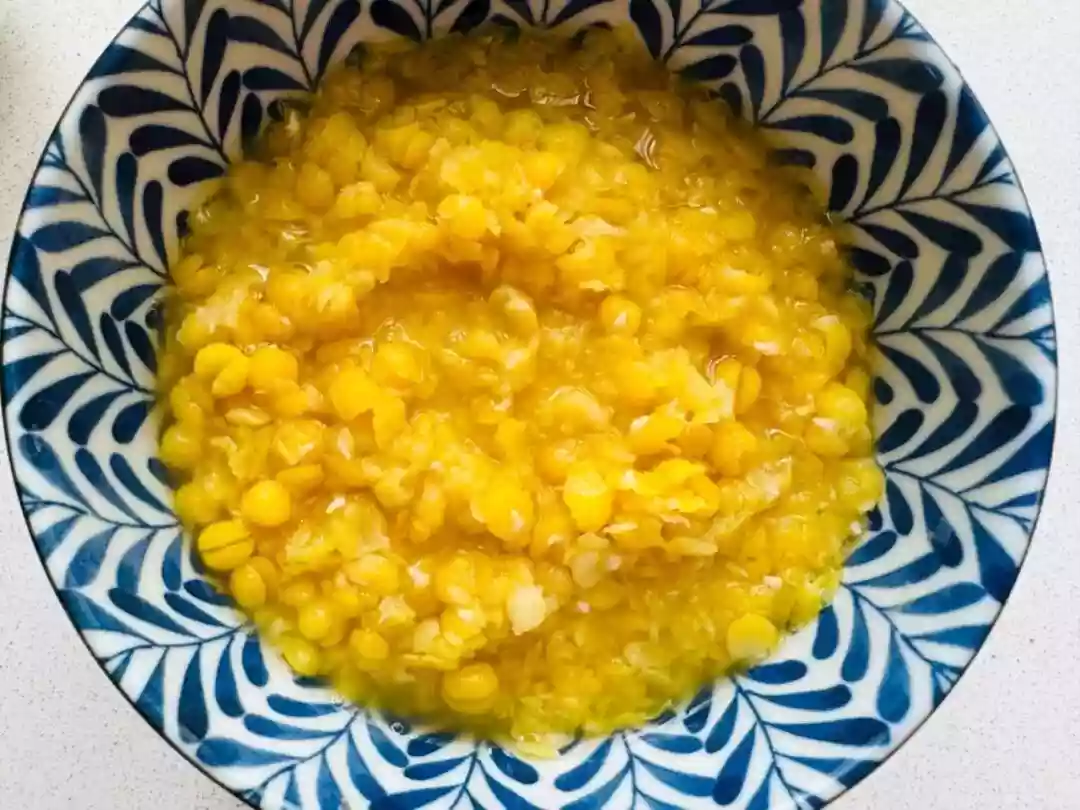
- Softened Peas: Wash and soak the dried peas overnight. If it's hot outside, put them in the fridge. Put them in a pressure cooker with more water than you would use for rice to keep the peas from sticking to the pot. Add a teaspoon of salt and cook for 10 to 15 minutes, or until the peas are soft. Put them away for now.
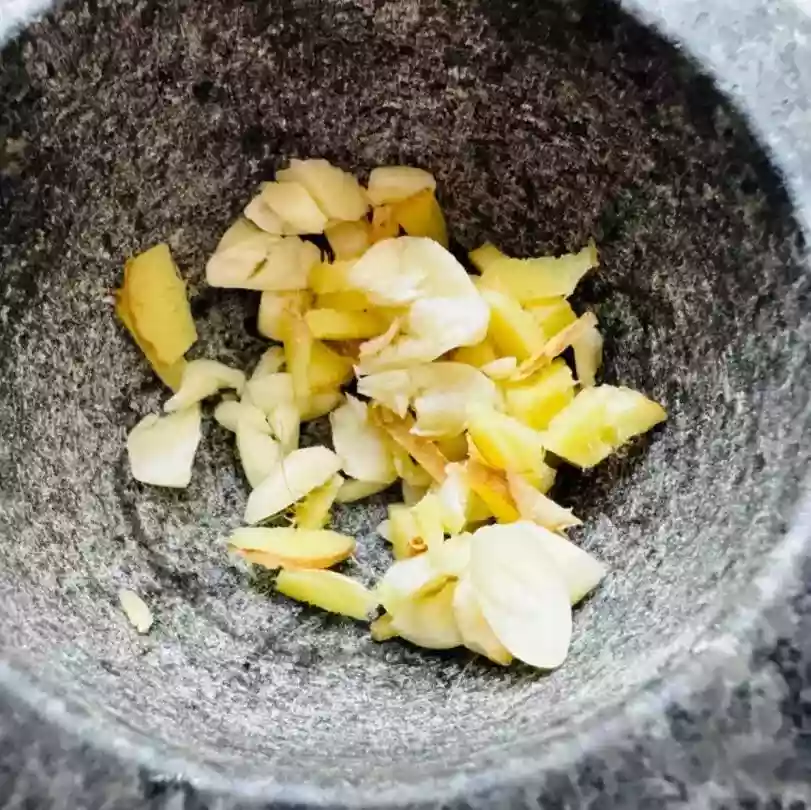
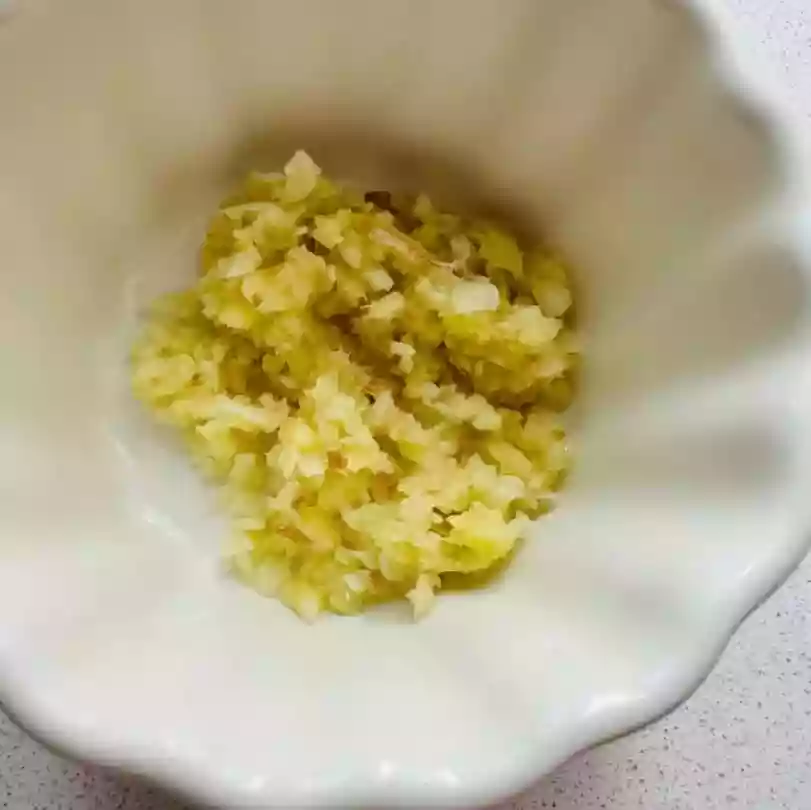
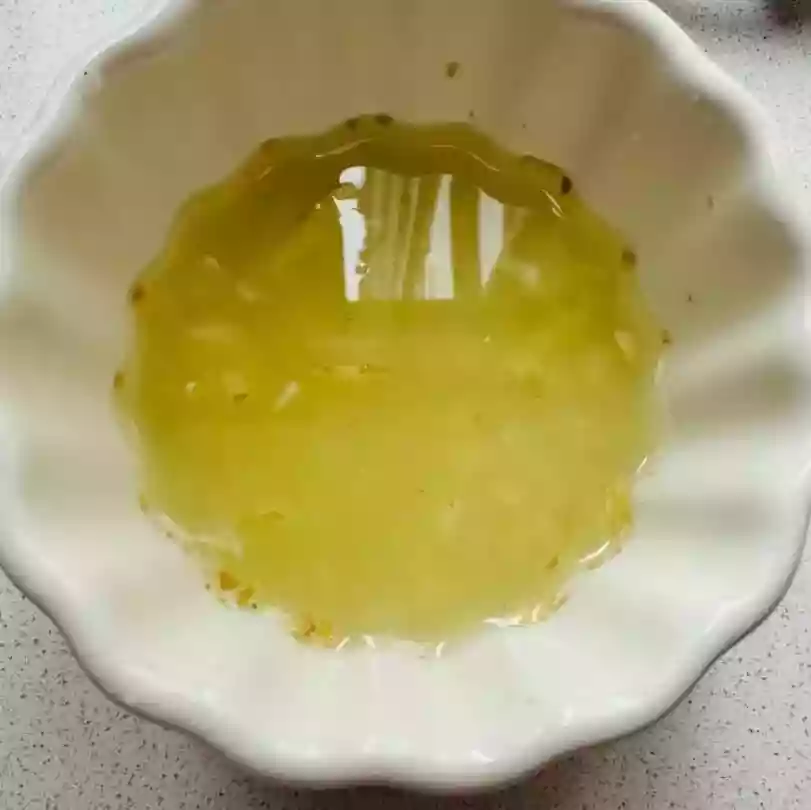
- Ginger-Garlic Water: Peel and chop the ginger and garlic very finely, pound them into a paste, and let them soak in water for 30 minutes. Make sure the amount of ginger and garlic is the same.
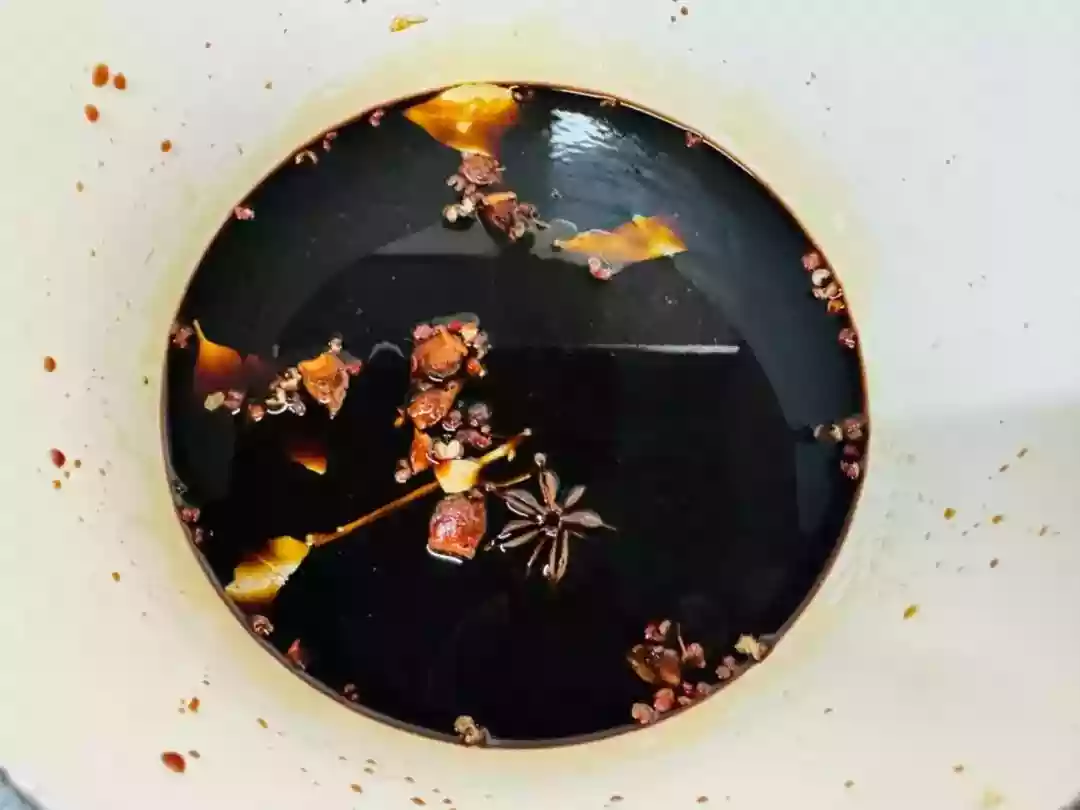
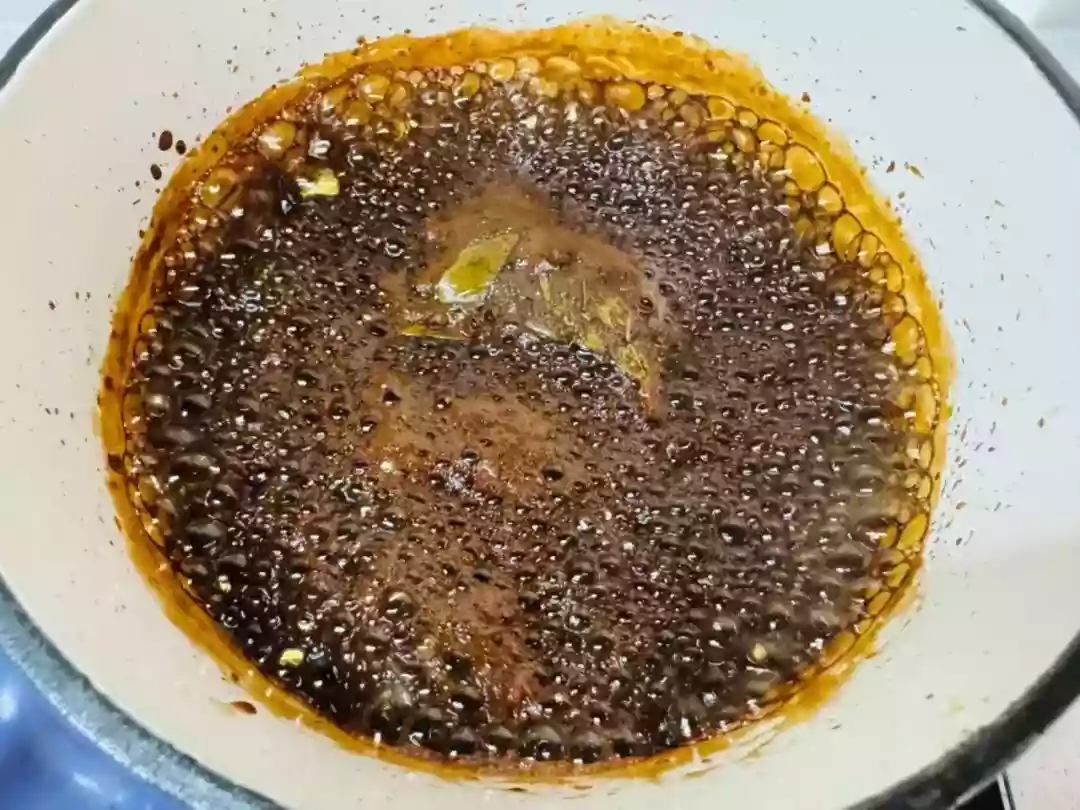
- Seasoned Soy Sauce: In a bowl, mix 100ml of light soy sauce with 100ml of water. Then, add star anise, Sichuan peppercorns, bay leaves, and brown sugar. In a small pot, bring the mixture to a boil and then let it simmer for five more minutes. Let cool.
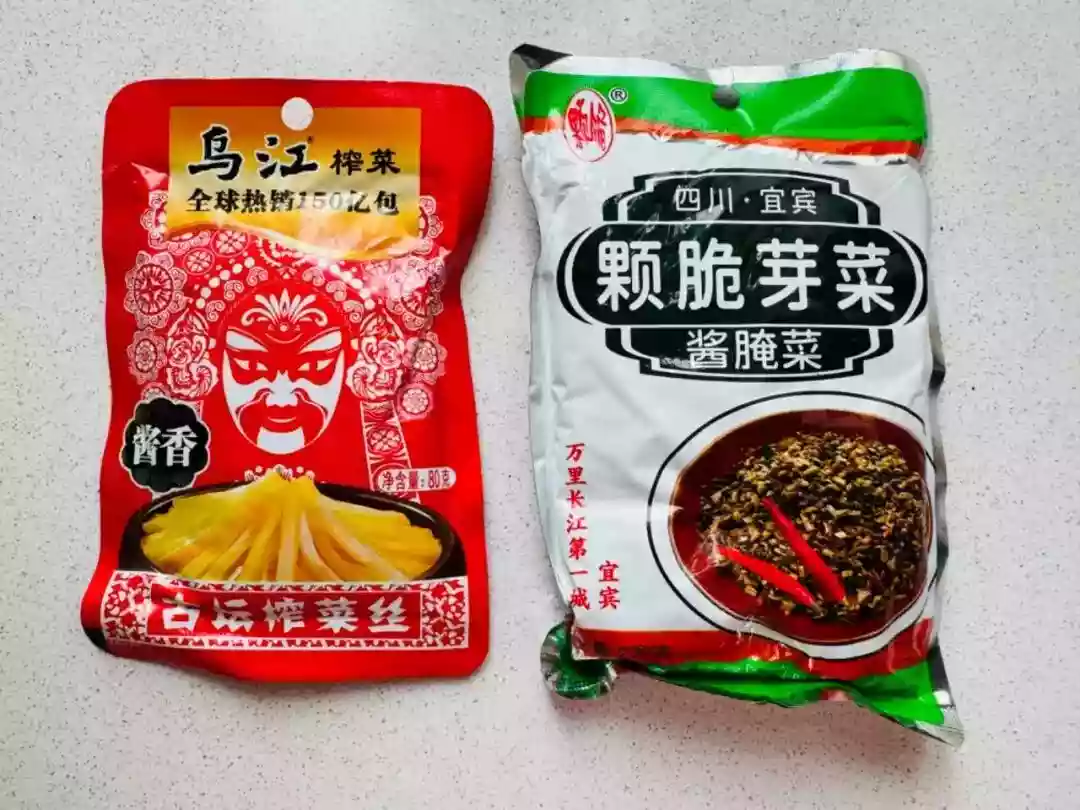
- Cut the scallions into small pieces, mince the ginger, and chop the pickled mustard greens. Cut the greens into long pieces and wash them well.
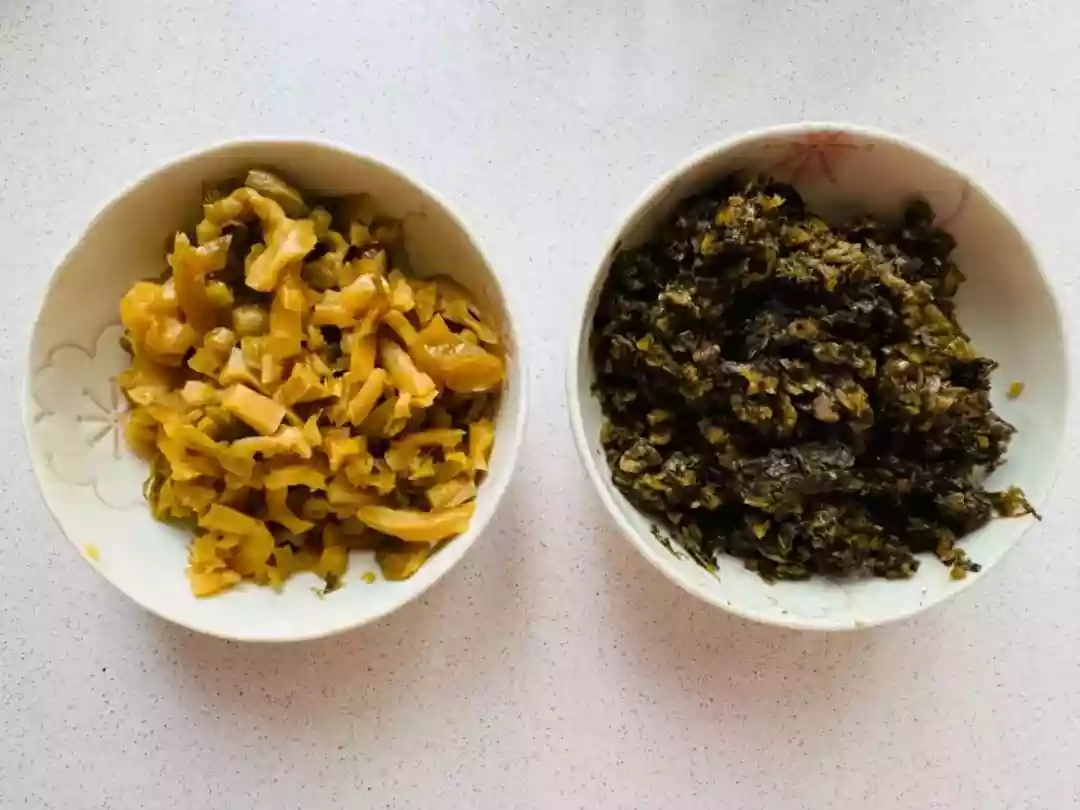
- Cooking the Meat: Put oil in a pan and add the ground pork. Cook it until it changes color. Add the minced ginger and cooking wine and mix well. Next, add the Pixian doubanjiang and stir until the oil turns red. Add the sweet bean sauce and white sugar, and keep stir-frying until the smell fills your kitchen. You can add scallions before taking it off the heat if you want to.
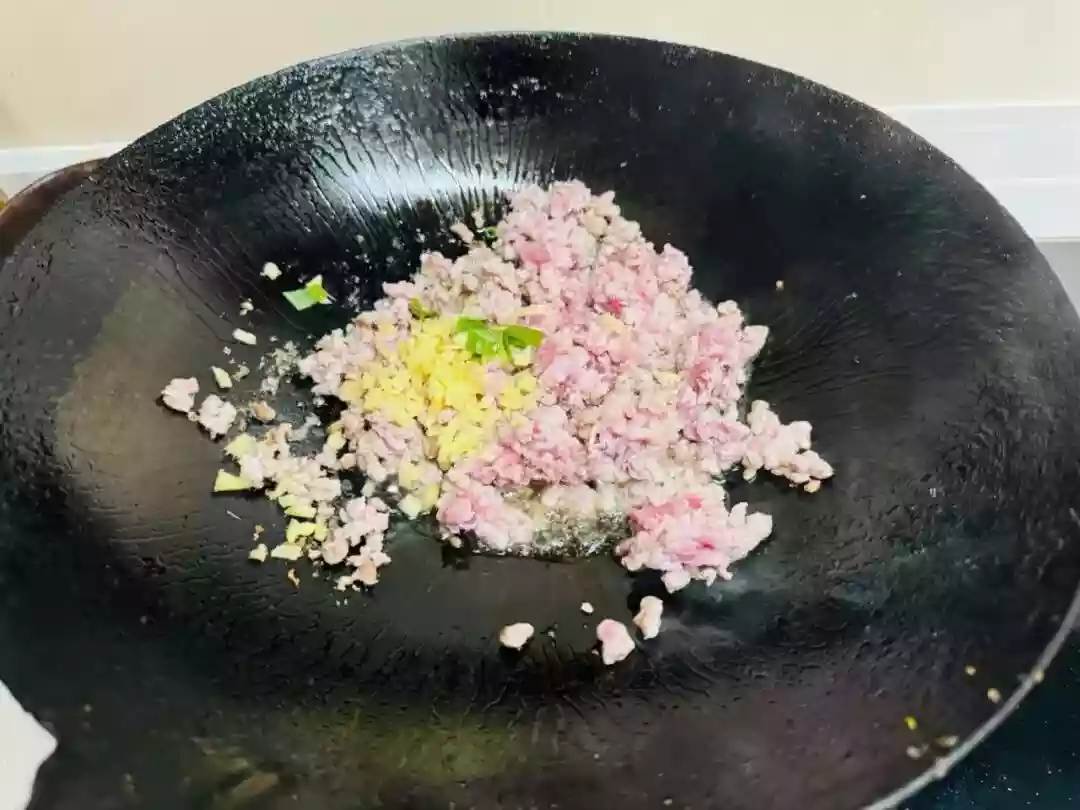
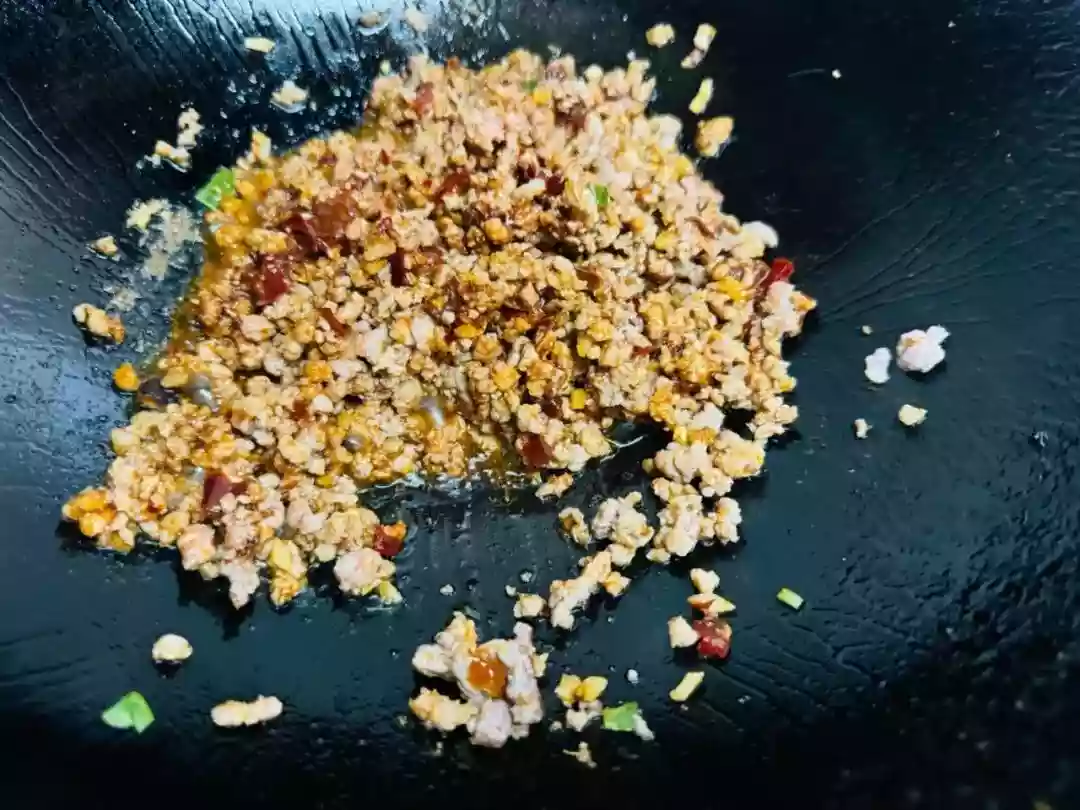
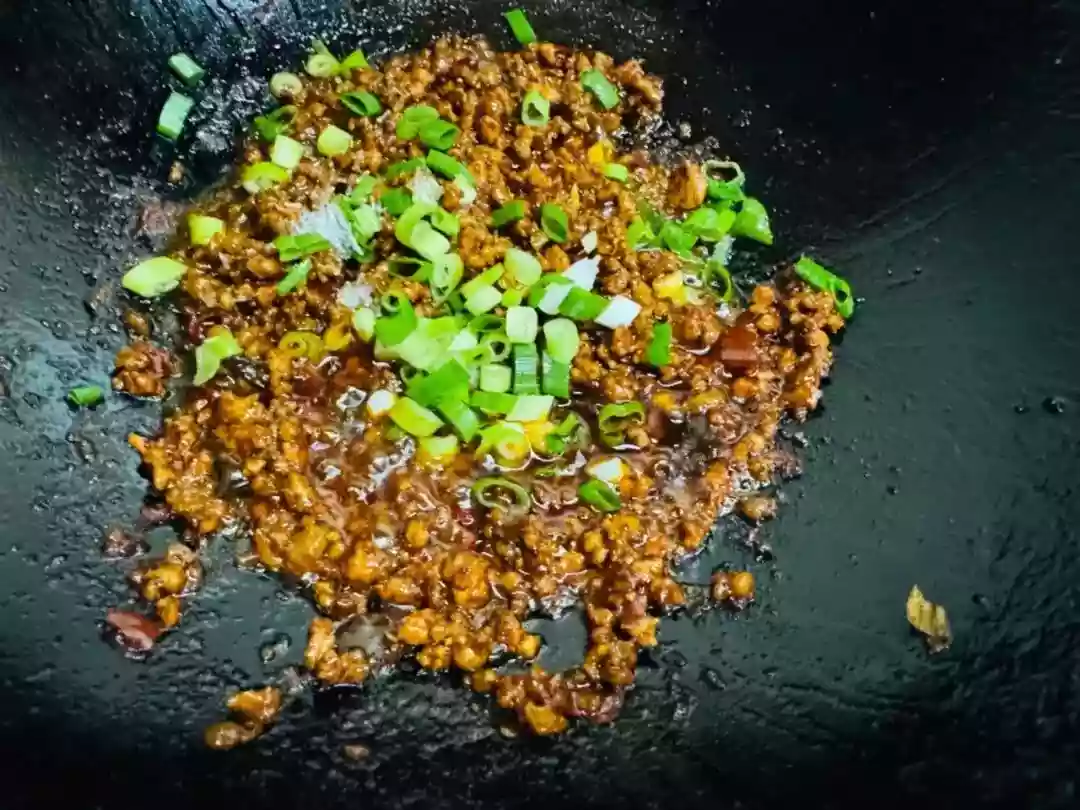
- By now, all of your seasonings should be ready.
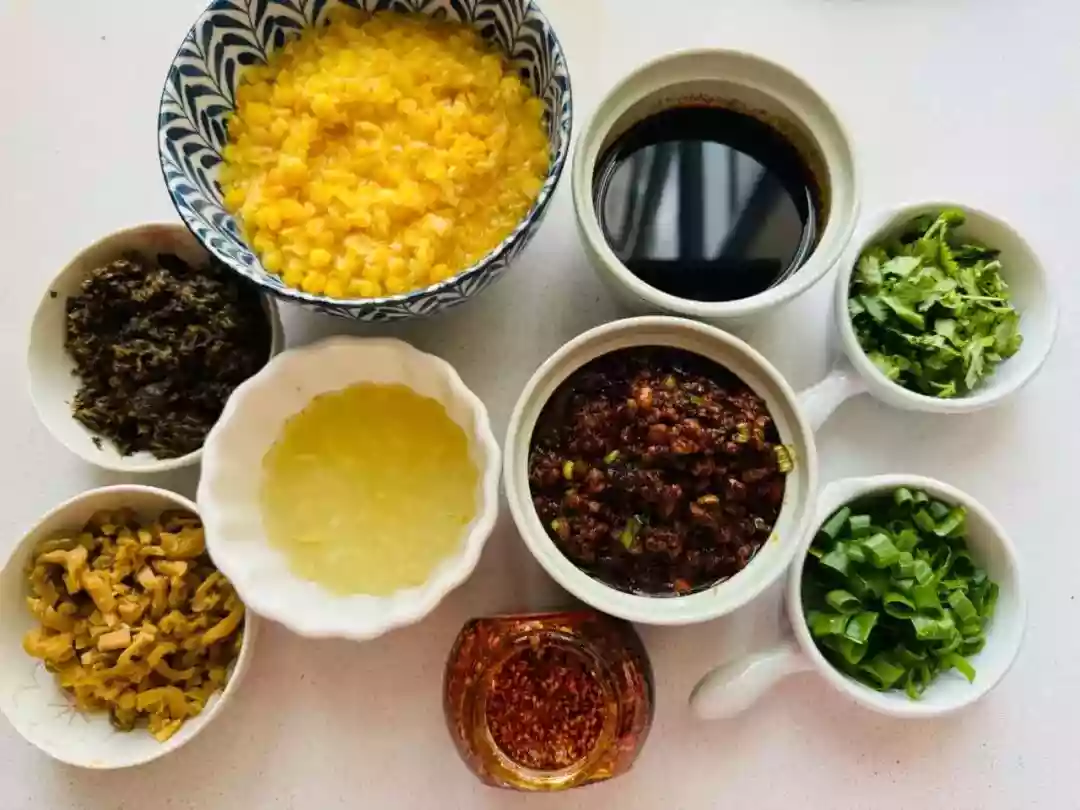
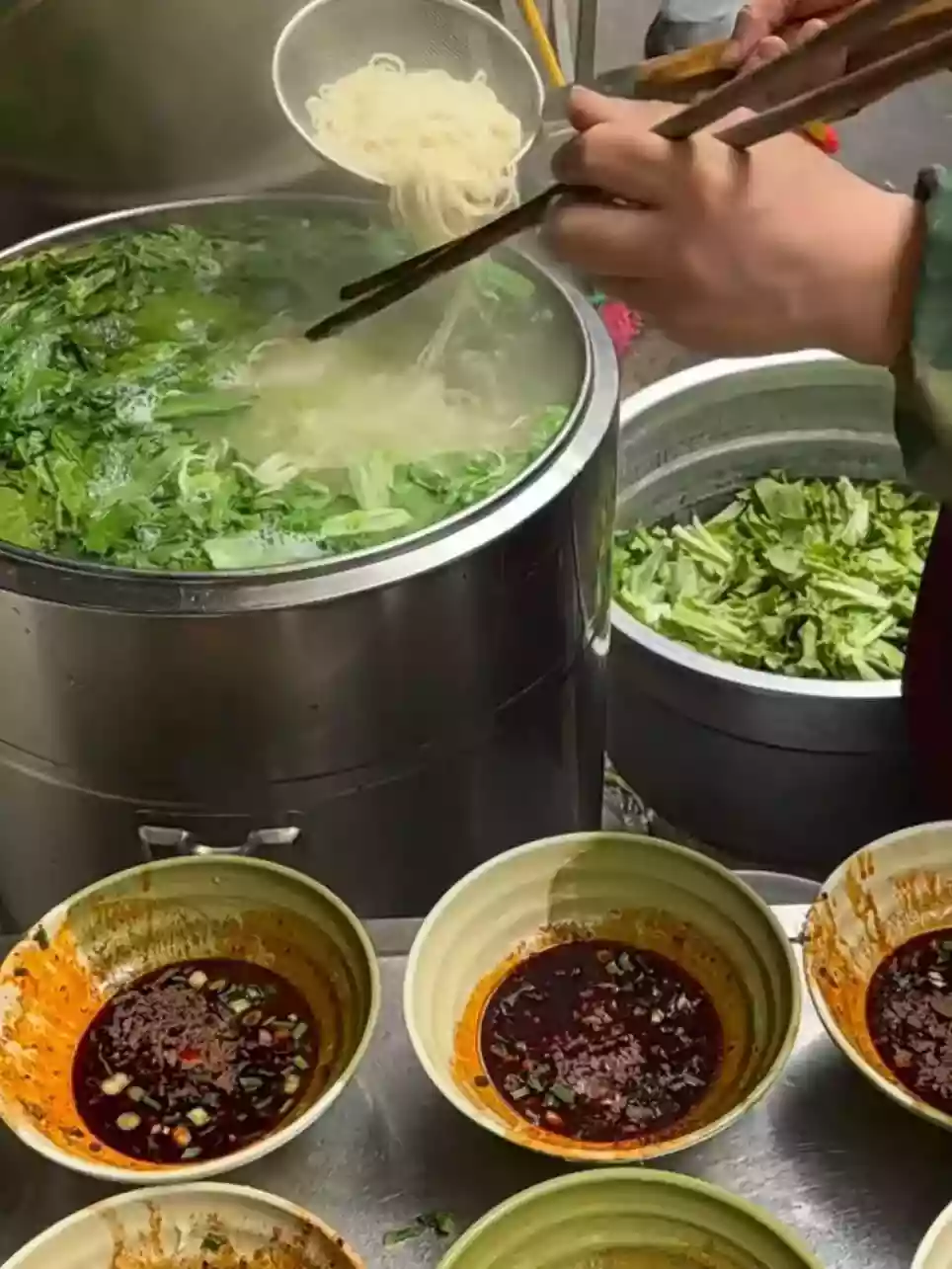
- Soup Base: Get a big bowl and put in a teaspoon of lard, two tablespoons of ginger-garlic water, a teaspoon of seasoned soy sauce (add more or less to taste), a teaspoon of chili oil (skip this if you don't like spicy food), a tablespoon of sesame paste, a tablespoon of pickled mustard greens, a tablespoon of bean sprouts (optional), a pinch of Sichuan pepper powder or MSG to taste, and two to three tablespoons of reserved noodle broth (skip this if you want dry noodles).
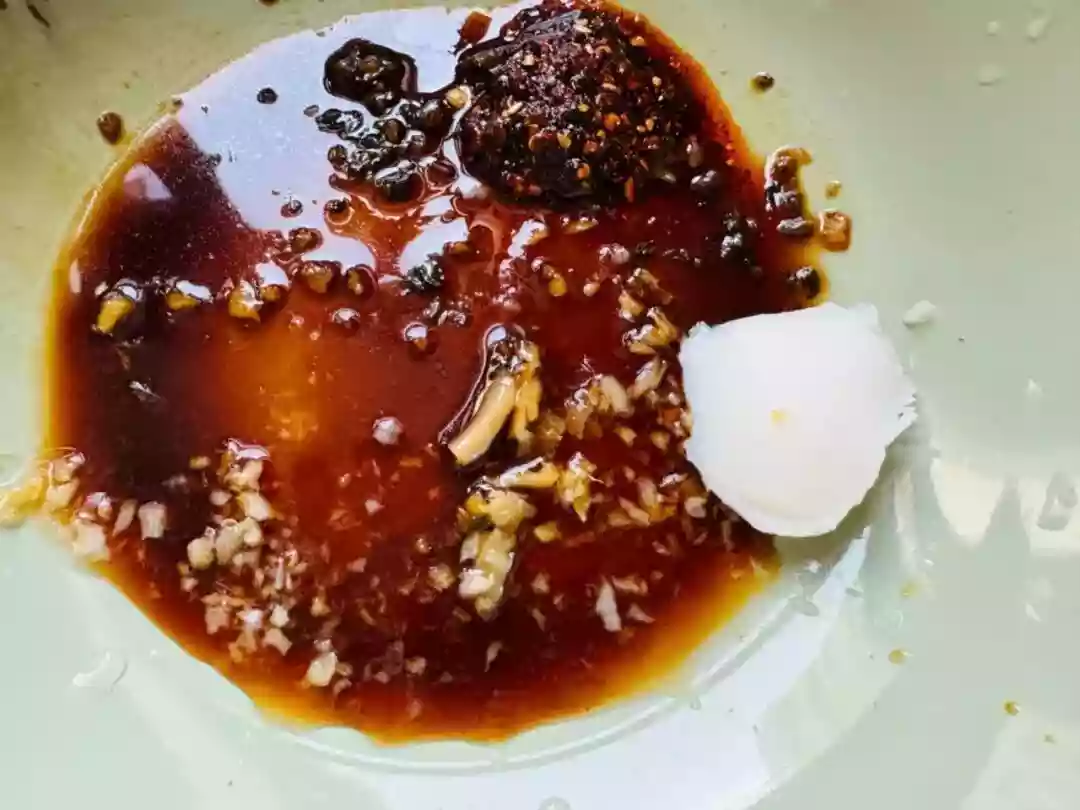
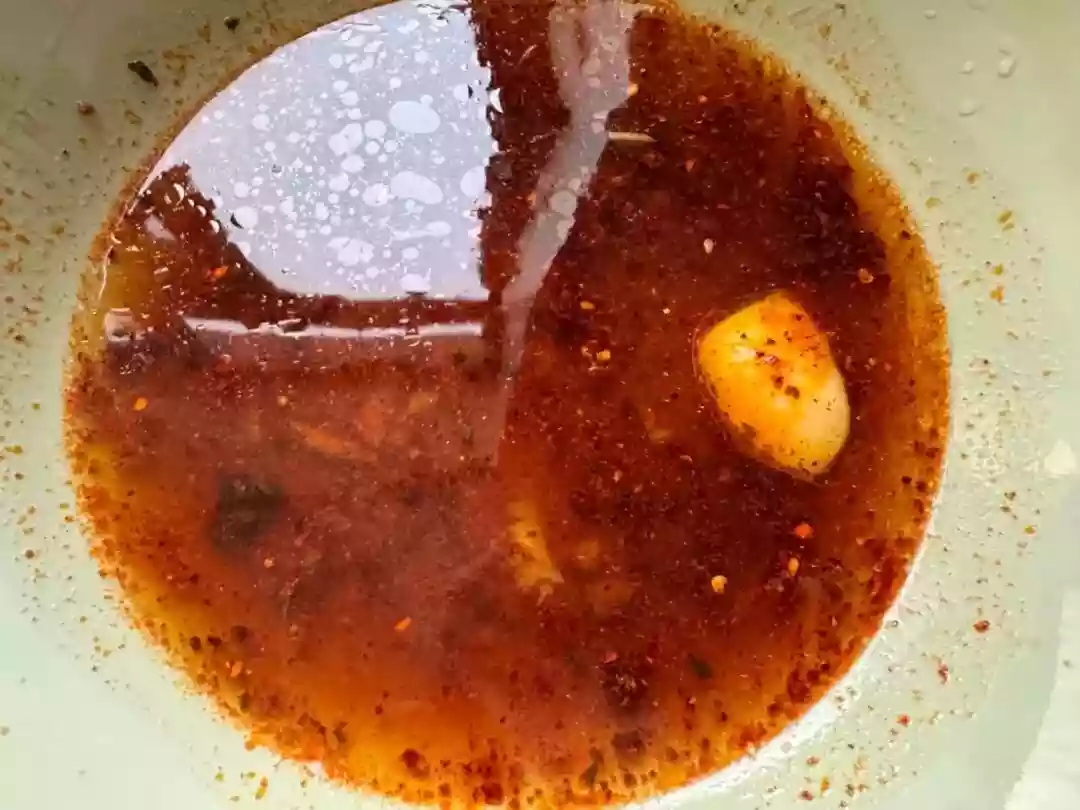
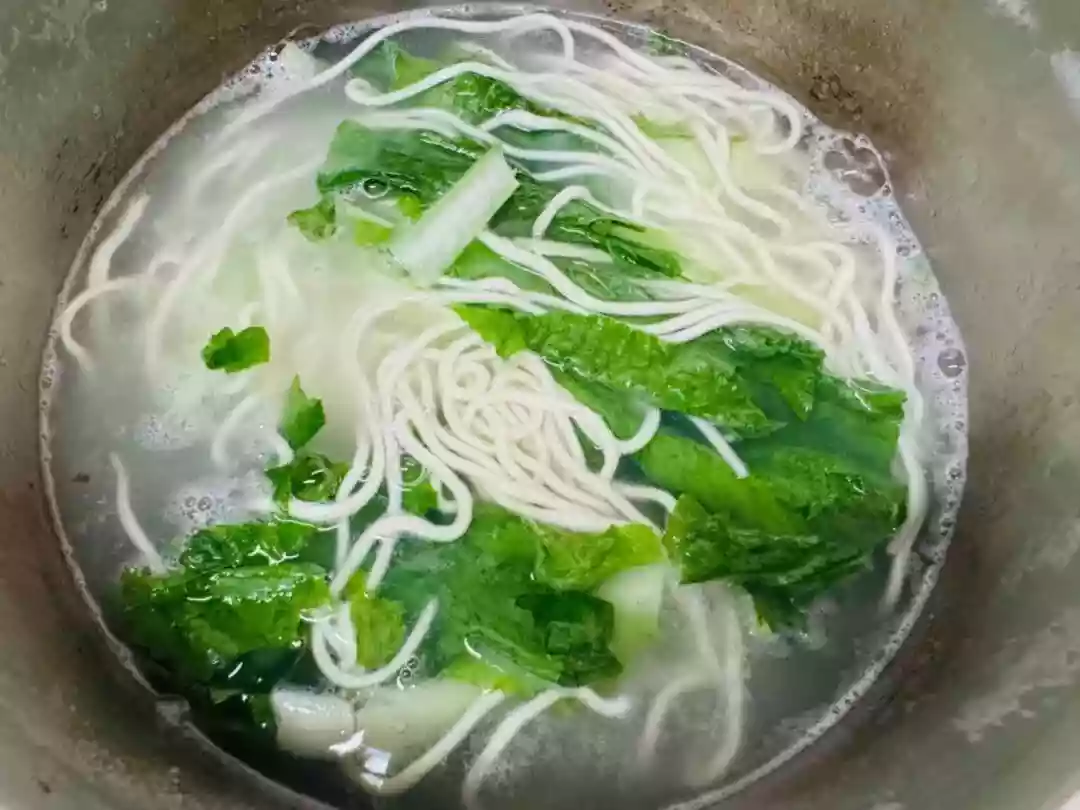
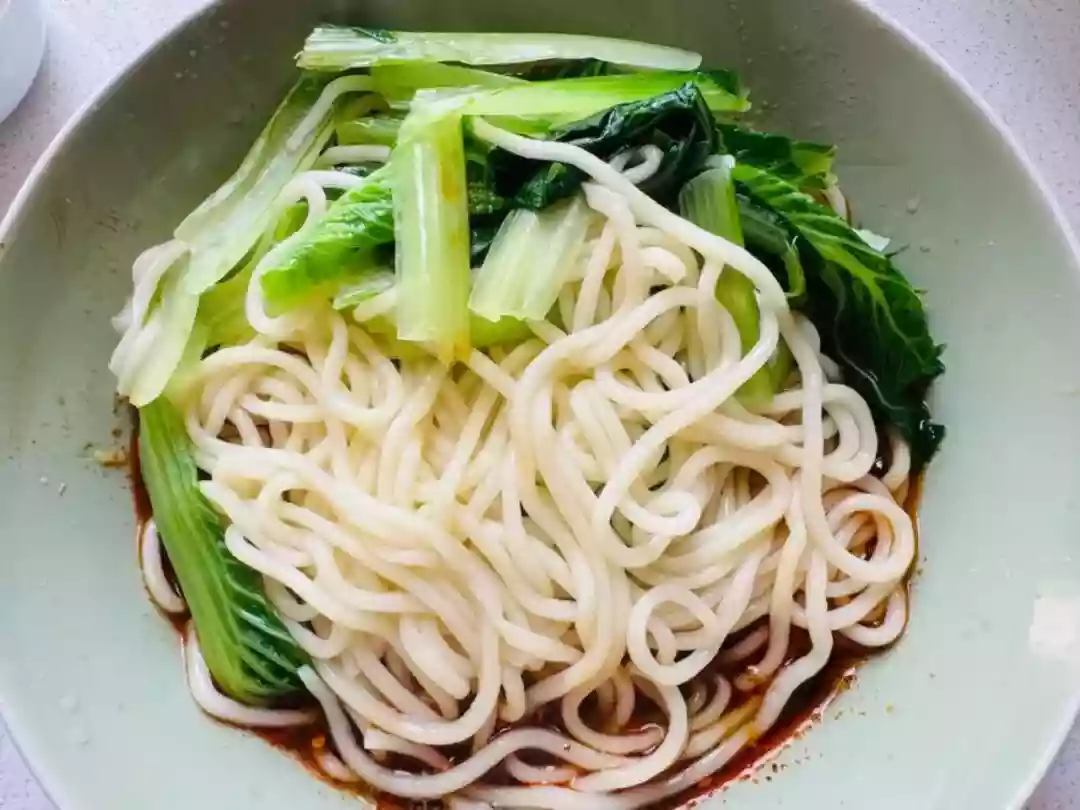
- Put the noodles in a pot of boiling water. Add the greens just before the noodles are done cooking, and cook them until they're done. Put the noodles and greens in the soup base and drain them. Then, add two to three tablespoons of softened peas and two to three tablespoons of minced meat. Put some scallions on top, and there you go! You can now eat your tasty bowl of mixed pea noodles!
Nutrition