
A Step-by-Step Guide to Making Dan Dan Noodles
![]Image
A Step-by-Step Guide to Making Dan Dan Noodles
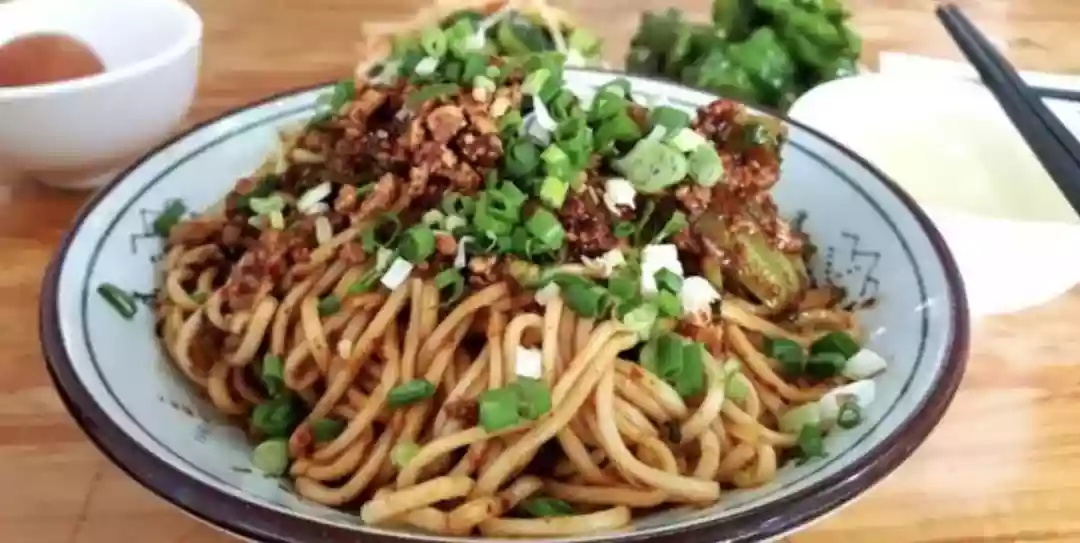
A bowl of Dan Dan noodles that hits all the right notes should have a mix of salty, savory, slightly sour, and spicy flavors that make your mouth water. The secret is not just the ingredients, but also the skill and care that goes into making it. So, let me show you the six most important steps that will make your Dan Dan noodles taste amazing.
1. The Noodles: A Pinch of Baking Soda for the Perfect Chew
I always add a little baking soda to the dough for Dan Dan noodles. I learned this trick from the old street vendors who sold their noodles in the hot sun. If you don't use baking soda, the noodles will keep fermenting all day and taste sour by the afternoon. This small amount of baking soda stops the fermentation and balances the sourness. It also gives the noodles a nice chewy texture that stays that way even when they are cooking. Keep in mind that the amount of baking soda and water you add should change with the seasons. In the summer, use less water and more baking soda. In the winter, do the opposite.
2. The sauce is a mix of fatty pork belly and lean meat that has been stir-fried until it is crisp.
The sauce, which is also called "mian zao" or topping, gives Dan Dan noodles their main flavor. The Sichuanese usually divide it into three groups: sauce with broth, thin gravy sauce, and dry sauce. Soupy broth-based sauce is used in dishes like soup-style Dan Dan noodles or braised beef noodle soup. The thin gravy sauce is thicker and usually has to be thickened, like in "dalu mian" or eel noodles. Stir-frying the dry sauce until it gets a fairly dry texture is what you do.
This is how I like to serve these with the sauce I make:
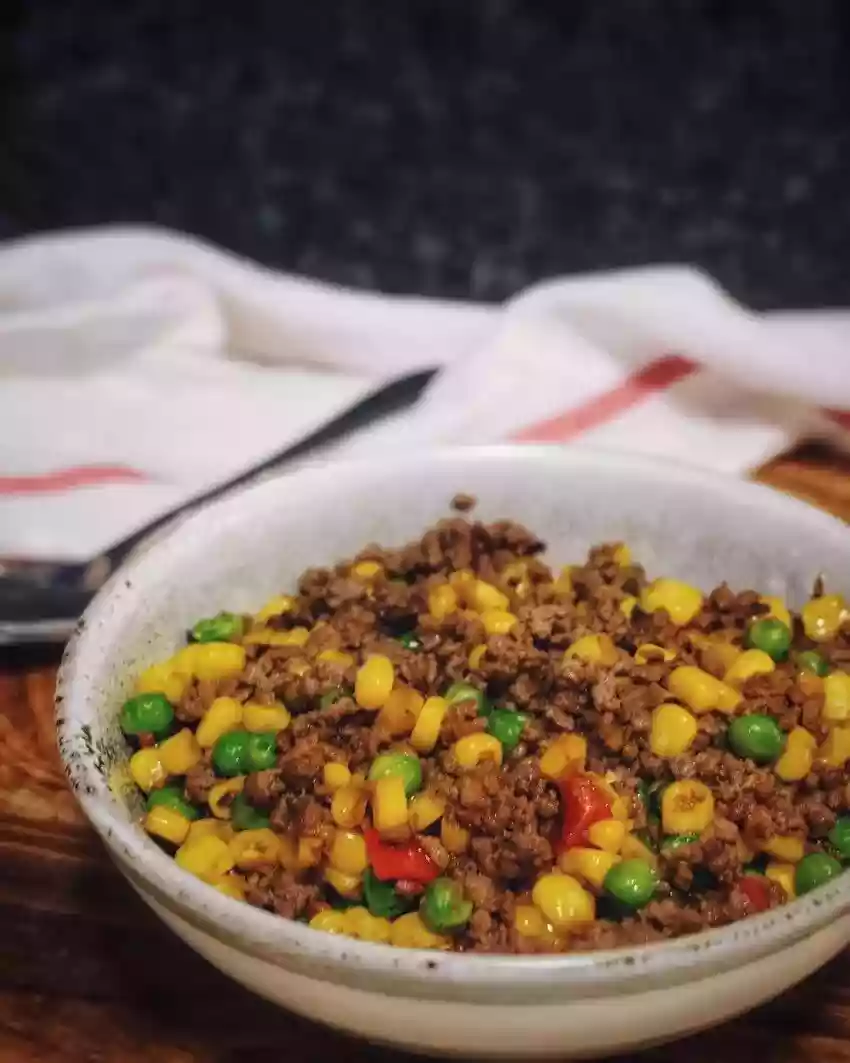
I take 50 kilograms of pork belly without skin and grind it into a fine mince. After that, I heat 1.5 kilograms of canola oil in a hot pan until it is moderately hot. I add the ground meat and cook it slowly over low heat until it starts to let go of its fat. Then I add 200 grams of Yongfeng brand cooking wine and a kilogram of minced ginger and stir until the smell fills the kitchen. Then I mix in 500 grams of sweet bean paste and brown sugar, as well as 450 grams of Yibin preserved vegetables. I stir until the smells of the ingredients mix together. After that, I add 200 grams of Jinbiao brand light soy sauce and keep stir-frying until the mixture turns a nice golden brown and the pork is crispy. Next, I add 500 grams of Long brand dark soy sauce, then 500 grams of MSG, 200 grams of chicken powder, and 50 grams each of ground white pepper and Sichuan peppercorns. And that's it! The sauce is ready!
3. The Red Oil: Chili Powder with Toasted Sesame and Spices
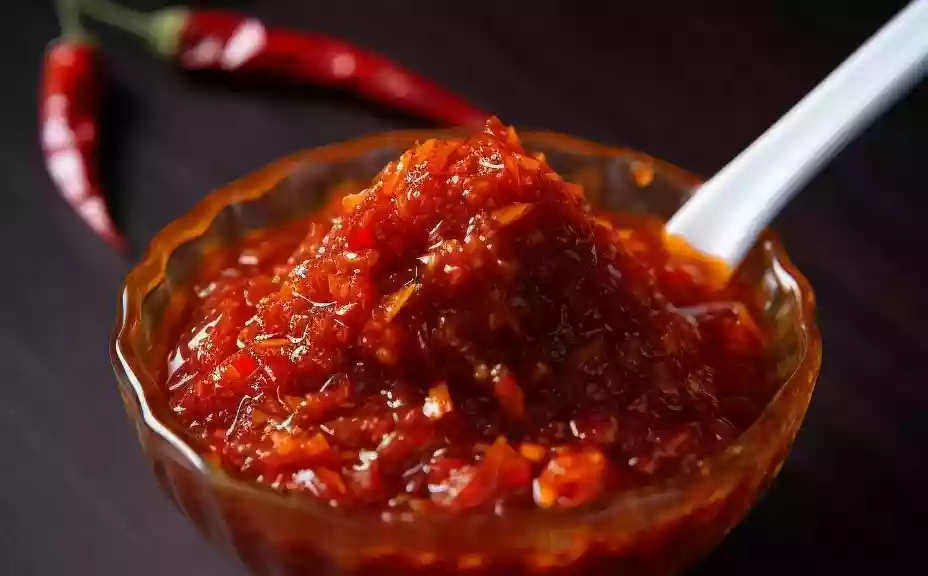
I mix 400 grams of bullet chili peppers with Da Hong Pao chili peppers in a 7:3 ratio. I cut these into pieces and then put them in 500 grams of vegetable oil that is hot enough to make the peppers crispy. After breaking up the crispy peppers, I add 20 grams of salt and put the mixture in a bowl.
Next, I heat 1.5 kilograms of rapeseed oil to about 270°C and add a piece of ginger. When the oil cools to about 240°C, I pour 200 grams of it over my spices (3 grams each of cinnamon stick and sand ginger, 2 crushed cardamom pods, 3 star anise pods, 3 bay leaves, and 1 monk fruit) to make their flavors stronger. I do the same thing with another 200 grams of hot oil and 100 grams of white sesame seeds, toasting them until they turn a nice golden brown and puff up. Once the oil has cooled to between 180 and 200 degrees Celsius, I pour 500 grams of it evenly over the chili powder and stir gently to spread the heat evenly. At this point, the oil should be about 110 degrees Celsius. Lastly, I pour the remaining oil from the pan into the chili powder mixture when it cools down to between 130 and 140 degrees Celsius. I mix it well and then add the toasted spices and sesame seeds.
4. The bone broth: Use pork bones and fatty pork belly to make a creamy white base.
I use a mix of pork bones, skin scraps, and fatty pork belly to make the broth. As these things heat up, they let out proteins that make the broth creamy and white. This is how to get it just right: Take 5 kg of pork bones and break them in half. Wash off any blood and then put them in boiling water for thirty minutes. Burn off the hairs and wash the skin scraps well to clean 1500 grams. Finally, blanch 1500 grams of pork belly that is fatty. Put the pork bones in a stainless steel pot first, then the skin scraps. Put the fatty pork belly on top, then add 50 grams of ginger slices and green onion segments. Sprinkle 10 grams of white peppercorn on top, and then pour in 10 kilograms of cold water. Put this on high heat and bring it to a boil, skimming off any foam that forms on the surface. After that, turn the heat down and let it simmer for about two hours, or until the broth turns creamy white and a thin layer of fat rises to the top.
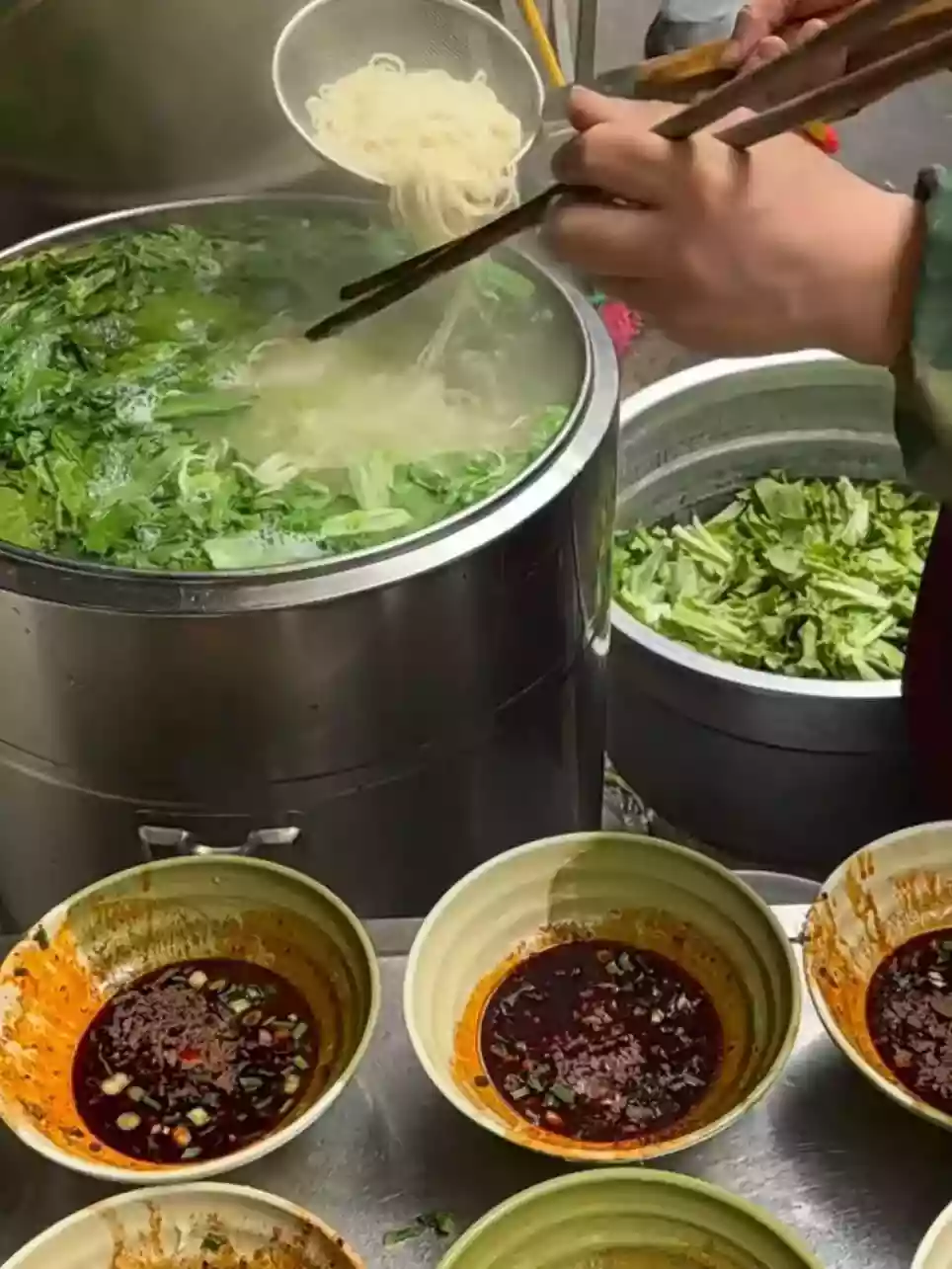
5. Cooking the noodles: The water should always be simmering, not boiling.
I always cook the noodles in a big pot with a lot of water. I keep adding cold water to keep the broth from boiling too hard, which could make it cloudy and take longer to cook. The secret is to add cold water four or five times to make sure the noodles are cooked just right.
6. The Base Ingredients: First, the Dry Ingredients, Then the Wet
Before you start making your Dan Dan noodles, make sure you have all the ingredients you need. Always add the dry ingredients first when you change the sauces. Before adding the wet ingredients, make sure they are all mixed together. This keeps the dry ingredients from sticking together and makes sure that the flavor is smooth and even. To make the base liquid for the noodles, I mix 30 grams of Dan Dan noodle sauce with 260 grams of bone broth.
To make the sauce for the Dan Dan noodles, you'll need:
- 100 grams of salt
- 50 grams of MSG and 50 grams of aged vinegar
- 20 grams each of Maggi seasoning, chicken powder, and sesame oil
- 300 grams of vegetables that have been preserved
- 15 grams of red oil and black pepper each
- 30 grams of Sichuan peppercorns that have been ground
- 200 grams of Yi Pin Xian, light soy sauce, and yellow soybean soy sauce each
Combine all of these things until they are well mixed.
A good bowl of Dan Dan noodles should have a mix of salty, savory, slightly sour, and mildly spicy tastes. The base ingredients are what make the magic happen, and these five are very important:
A. Soy Sauce is a Must:
Yellow soybean soy sauce is always the main ingredient for me. This sauce is a reddish-brown color and smells different because it is made from fermented beans, wheat, and bran. It gives the noodles a great sweet-salty balance that makes them taste better.
B. Red Oil is Important:
As I said before, the exact way to make red oil is very important for the base mixture. Pay
Nutrition