The Basics of Cooking: Learning How to Cut and Prepare Food
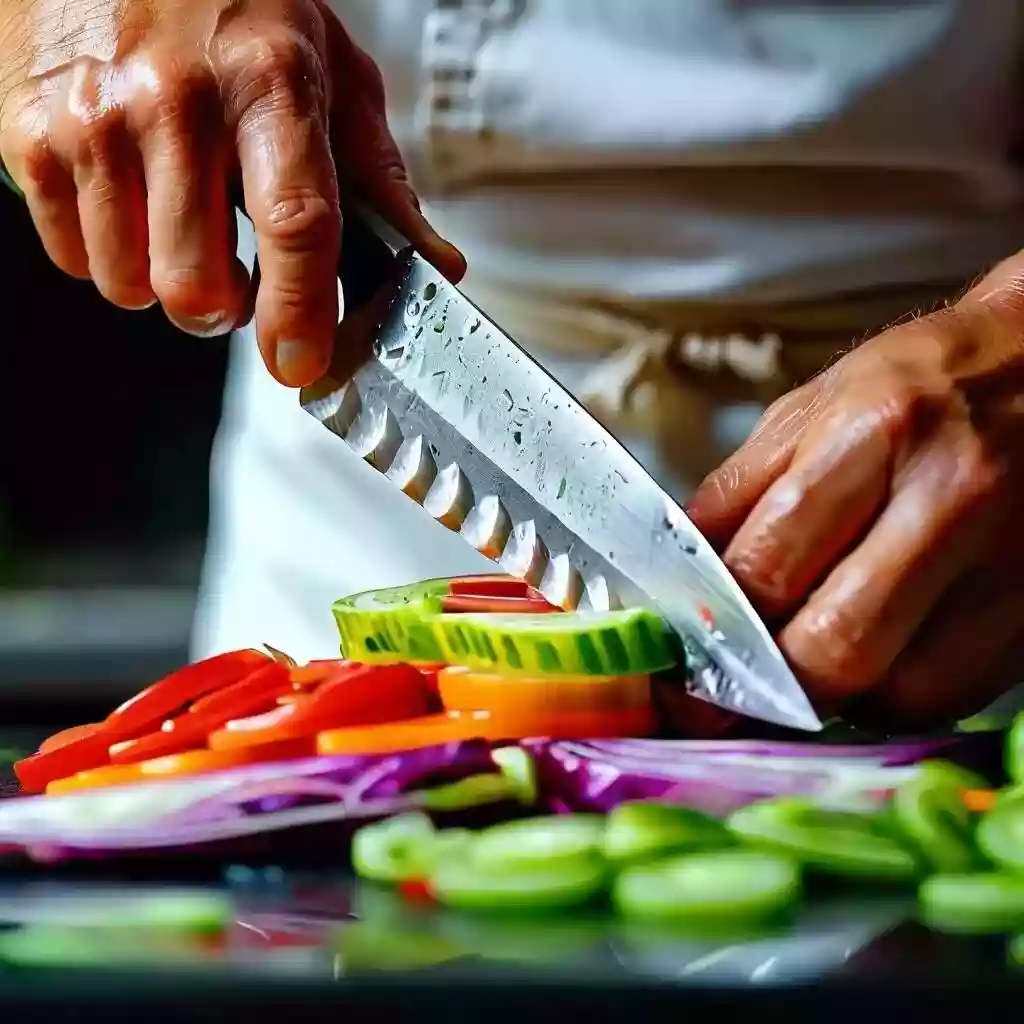
Knife Skills
Being able to use a knife well is the most important part of cooking well. They are very important for changing the color, smell, and taste of your food. This skill in the kitchen requires both technical skill and a bit of creativity. There are two main types of knife skills: chopping skills and decorative cutting skills.
Use decorative cutting techniques to make your food look better. This means cutting raw materials into complex shapes of birds, flowers, or other things that catch the eye. Picture making a beautiful bowl out of a watermelon or a colorful spread of cold dishes, each one a small work of art that makes you want to eat.
On the other hand, knowing how to chop is very important for making any dish. Four main ideas guide these methods. First, all of your cuts should be the same size and thickness. Second, the slices should be clean and not stuck together. Third, the way you chop should be closely linked to the way you cook. And last but not least, use all of your ingredients to their fullest. If you follow these rules, you won't have problems like uneven cooking or wasting ingredients.
There are different ways to chop depending on the type and properties of the ingredient and the needs of the cooking method:
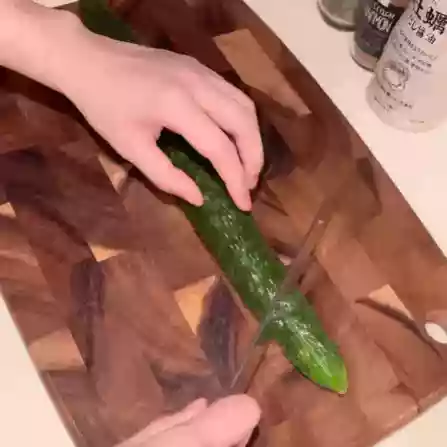
Cutting is usually done with ingredients that don't have bones in them. The knife moves down in a smooth, controlled way. You can improve your cutting skills by learning how to do straight cuts, push cuts, pull cuts, saw cuts, shred cuts, rolling cuts, and more.
Straight Cut: This works best on ingredients that are not very strong. Imagine cutting lettuce or bamboo shoots in one smooth motion, straight down from above.
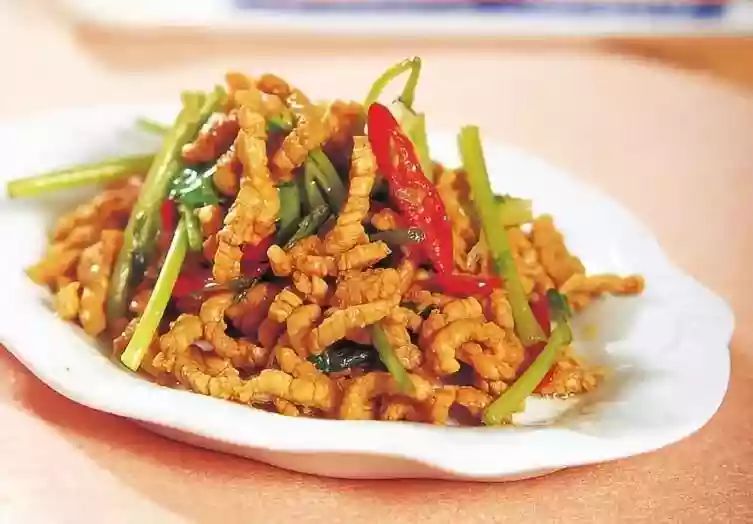
Push Cut: This method is great for cutting small things into thin slices. You push the knife down from the inside to the outside without pulling it back. It's great for cutting up lean meat or pickled vegetables.
Pull Cut: This is for tougher foods. You pull the knife toward you from the outside, which makes it great for cutting strips of meat.
The Saw Cut: This cut is also called the push-pull cut. It's great for thicker and tougher foods, like ham or bread, that need a gentle sawing motion.
Side Cut: This method is mostly used for shellfish. To cut through shells, like crab shells, one hand holds the back of the knife and lifts it higher than the tip.
Rolling Cut: This is a way to cut up hard, round, or oval-shaped foods into smaller pieces. When you cut at an angle, you also turn the food, which is great for things like lettuce or radishes.
Slicing: Slicing means cutting thick foods into thin pieces. Again, this is usually done with things that don't have bones in them, and the cuts are made horizontally or diagonally instead of straight down.
Push Slicing: This works best on things that are more fragile. When you cut them horizontally, like when you cut bamboo shoots, you can make sure they are all the same thinness by applying light pressure.
Pull Slicing: This method works well on tougher things. You pull the knife inward instead of pushing it outward after pressing into them. This helps break up the tough fibers. It is often done with slices of meat.
Diagonal Slicing: This works best on things with a softer texture and makes slightly thicker diagonal slices. It's great for cutting pork loin.
Reverse Slicing: This is a technique from the north that is mostly used on fragile things. The goal is to make sure that the cuts are even by changing the pressure based on how soft the item is when it is being prepared.
Chopping: There are two types of chopping: double-knife chopping and single-knife chopping. The type of chopping you do depends on whether or not bones are involved:
Double-knife Chopping: This is when two knives work together closely to finely chop boneless things.
Chopping with One Knife: This means using one knife directly on bone-in materials, which requires very precise and strong cuts. Always make sure that the skin side is up so that it is easier to cut through layers of meat.
Cleaving: When you cleave, you cut raw materials into pieces. Most of the time, this is used for bigger ingredients, but it can also be used for smaller ones. To avoid accidents, you need to have a strong hold above the handle:
Straight Cleaving: This is the most common way to cleave big things, like fish heads.
Follow Cleaving: To do this, your left hand must move in time with your right hand, which brings down the blade over and over until the item is split.
Pounding Cleave: This is used on smaller, round, soft things that need to be handled carefully on slippery surfaces to avoid getting hurt.
Opening Cleave : This is only for pork or lamb. It requires careful downward strokes along the bones until they are completely separated, making sure that the edges stay intact during the cuts.
Keep in mind that the details are what give the food its flavor. I like to serve these dishes like an artist would show off a painting, with each cut and slice adding to the final work of art. So, grab that knife, do these things, and let's get started!