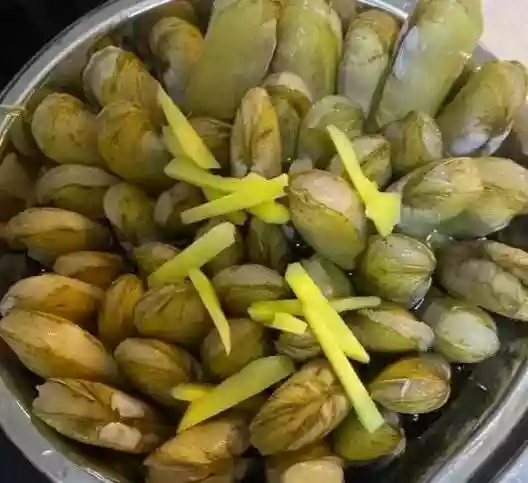

Food Therapy Tips: A warm, soft, and fragrant snack that is good for your spleen and calms your stomach
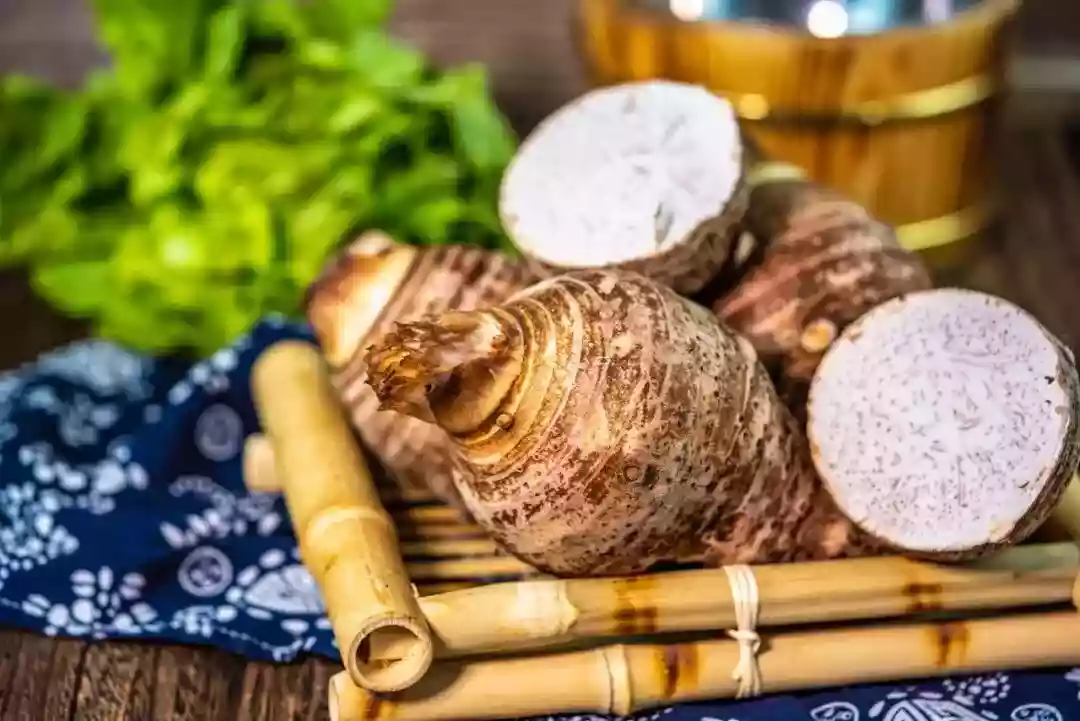
Taro: Our Old Friend
Taro has been an important part of our food and culture for a long time, going back to ancient Chinese records. The "Records of the Grand Historian" say that wild taros grow well under Min Mountain, making sure that no animal dies of starvation. Back then, taro was not only an important vegetable, it was also a lifeline during times of famine.
For a long time, traditional Chinese medicine has known about the special properties of taro. This earthy root vegetable is sweet with a hint of spice and is great for the stomach and spleen. It's the best tonic for getting rid of toxins and making up for what you're missing. The "Bielu" text praises taro for its ability to calm the stomach and intestines, nourish the skin, and help with digestion. The "Yunnan Materia Medica" goes on to praise taro, saying that eating it for a long time is good for the liver and kidneys and improves our essence and marrow.
Modern science backs up these old ideas by showing that taro is a great source of nutrition. Taro is an alkaline food that is full of starch, minerals, and vitamins. It is great for people who have too much stomach acid. Taro has a lot of fluoride in it, which protects your teeth from cavities and keeps your mouth healthy. Its dietary fiber also helps keep our digestive system in check.
Taro has always been a good friend to our stomachs and spleens, giving us energy. It has a soft texture, a great smell, is sticky, and is easy to digest, making it a must-have treat in the fall and winter. This time, I'm not going to turn this simple root into a fancy dessert. Let's keep taro on the ground, okay? Let's make a big meal that will be the star of our dining room table!
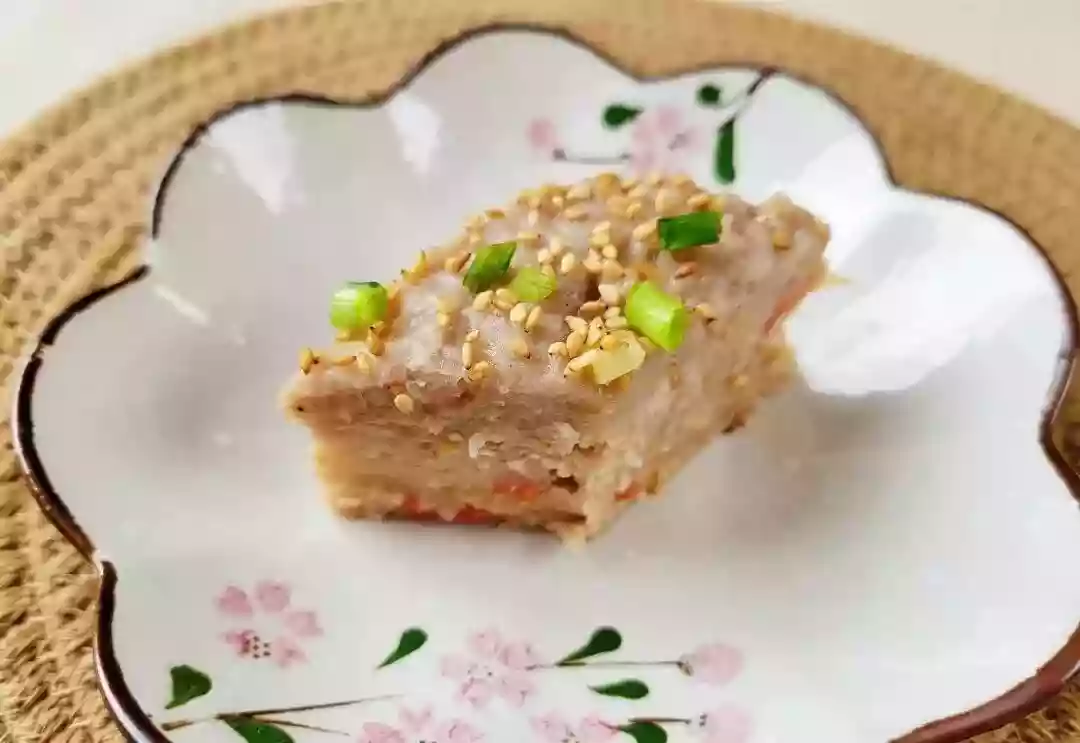
How to Make Taro Cake: A Step-by-Step Guide
You will need the following ingredients:
- 200g of taro- One sausage
- Dried shrimp or shrimp flakes
- Chopped green onions
- White sesame seeds
- 100 grams of rice flour
- 10 grams of starch, such as cornstarch or potato starch
- One packet of mixed bean powder (three beans eight treasures powder)
Here's how to do it:

The first thing you need to do is grate the taro and cut the sausage into small pieces.

Next, put some oil in a hot pan. Add the diced sausage and dried shrimp, and cook them until they smell great.
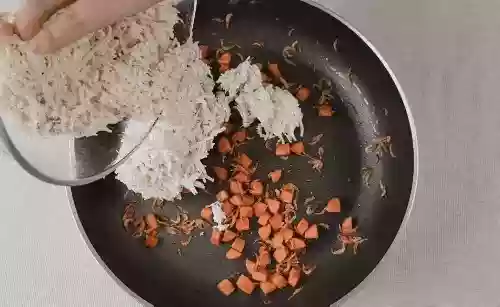
After that, add the grated taro and a little salt, and stir-fry everything for a few minutes

Now, let's get the batter ready. Mix the rice flour, starch, and mixed bean powder together, then slowly add water until the batter is smooth.
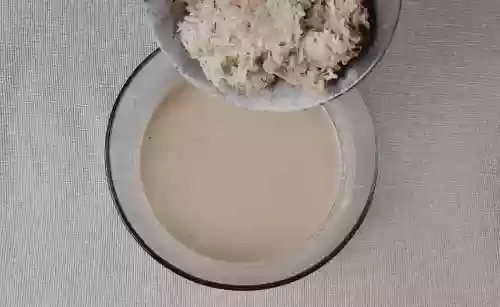
Add the sautéed taro mixture to the batter and mix until everything is well mixed.
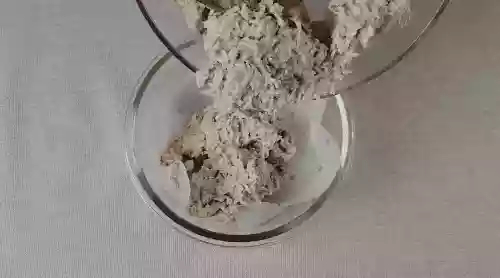
Put parchment paper in a mold and pour in the mixture that has been prepared. Make sure it is smooth all over. This is ready to be steamed for about 20 minutes.
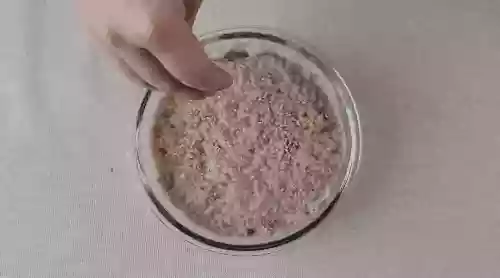
After it's done cooking, add some chopped green onions and white sesame seeds on top. Let it cool down a little before taking it out of the mold and cutting it up. I like to serve these taro cakes as they are. Their simple, rustic charm shows how good home cooking can be. The main flavor here comes from the mix of taro, sausage, and shrimp, which all work together to make the dish taste better. Have fun!
Nutrition